


Potter: Shunji Kato, nidai or 2nd generation
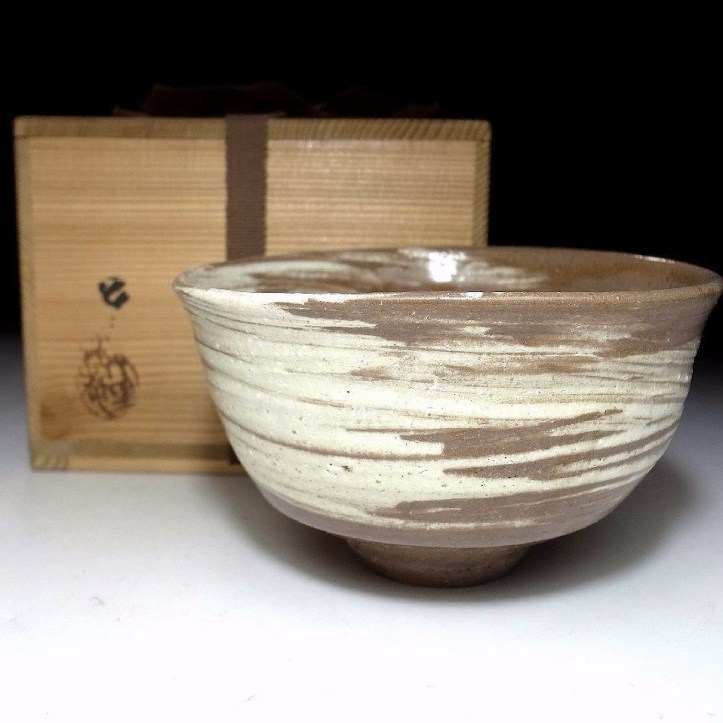
Approximate size: W4.8″ by W5.0″ by H2.8″ or 12.2 by 12.7 by 7.2cm
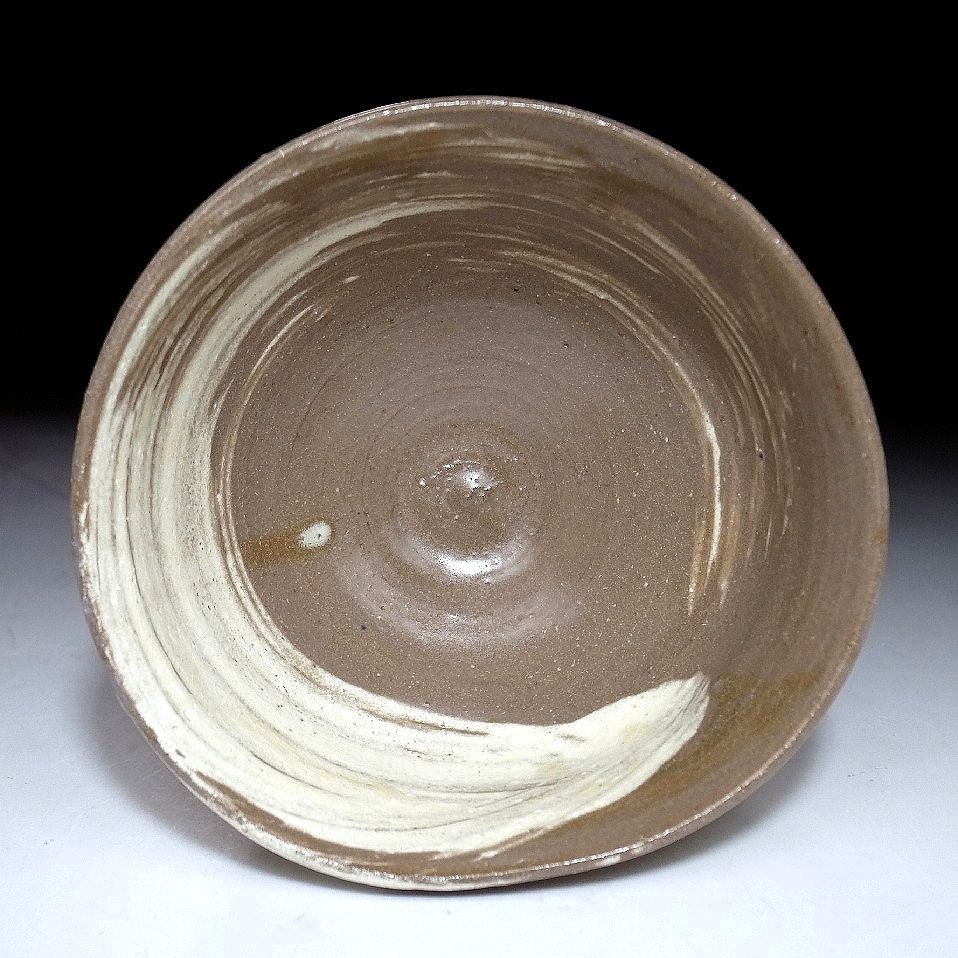
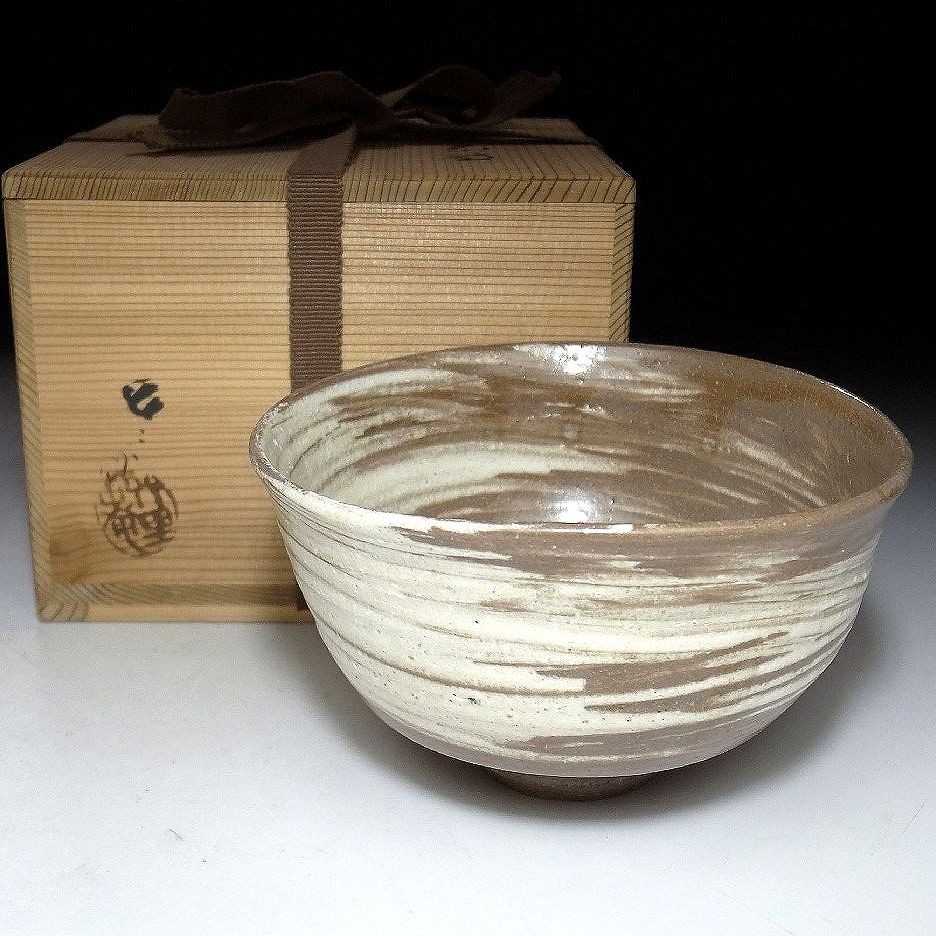
A fine and perfectly balanced chawan or tea bowl by the 2nd generation master-potter Shunji Kato (1892-1979). He was born to the first generation and studied with his father, eventually inheriting the title of Kato Shunji in the year 1912. A book about this famous potter entitled: “The Works of Kato Shunji” was published in Nagoya in Showa 55 (1980). Like his father he mainly worked making tea bowls and innovated the use of traditional Seto ware glazes – here though; the master created a work that clearly hints to the ancient Korean Ido chawan. An utsushi chawan with a traditional hakeme or brushstroke glaze – clearly pointing to the earliest Korean tea bowls. Shunji Kato stems from Seto City in Aichi prefecture and during his long life he became a potter of great renown. He was awarded the title Intangible Cultural Treasure of Aichi prefecture in 1975.
1892 Born in Seto City
1926 Assumed master’s name of the 2nd Shunji Kato as successor
Later he was working as exclusive craftsman of the Matsuoryu
1940 Built Kannon for the war dead memorial.
1975 He was recognized as intangible cultural heritage as potter Oribe and Old Seto in Aichi prefecture
1979 Passed away
Also recorded is that, around the middle of the Showa era (1926-1989), he used an old Seto kiln called Aoi-gama (Aoi kiln), to make many of his works. Works produced there were marked differently from works later. During the Tokugawa shogunate the kiln was exclusively used for the production of wares to be used by the reigning clan at the time – the Tokugawa family (and shogunate).

It also is worth noting that he helped serving the grand master of the Matsuo style Tea ceremony, which is the most prominent school of tea in the Chubu region of Japan. He made many great works for practitioners and masters of the school.
The character or impact of an object is caught in the Japanese word ‘haki‘. The text below is a quote, explaining and describing the meaning (while that was on the subject of a tsuba or Japanese sword guard), I think the concept holds true for any craft object and artwork.
Haki is a Japanese term I have seen translated as “power,” or “unbridled spirit.” It is used (among other applications, I imagine), to describe works that are particularly expressive in terms of boldness.
Early (pre-Edo) Owari tsuba, more than most, possess great haki. They are often large, with heavy, wide rims and sukashi walls, restrained tekkotsu, and bold, direct, symmetrical designs, exuding potent martial confidence. They are usually not “poetic” in the way Kyo-sukashi and Akasaka tsuba can be (often to the point of mawkishness). Their forging and steel quality in general is said to be very high. Sasano called Owari sukashi tsuba the ultimate when it comes to guards expressing martial power and spirit in the eyes of the bushi of the time. And it is true, too, in my experience, that when one sees a great Owari tsuba from this period and of this size—in person, the effect is memorable in a way few other tsuba can match. For lack of a better term, they “pop” with boldness, making other tsuba around them lifeless and dull by comparison.

A culture or tea scene and related sites of manufacture of tea ware originated earlier overseas than when it took foothold in Japan’s feudal society of. The history of pottery is relatively well recorded in Japan and its Korean and Chinese roots in the production of pottery and porcelain run deep. Hagi yaki or ware’s creation, in Yamaguchi prefecture was for a large part due to the forceful taking of potters from Korea after military campaigns. It also shows the fascination and respect the ancient originators of tea ware receive in Japan and why it is so important to understands its evolution throughout time.
In 1940, in honour of all those who died during the war he worked with Buddhist potter Shibata Seifu on the Koa Kannon. A famous statue of the Bodhisattva of compassion, located atop Mount Izu in Atami.
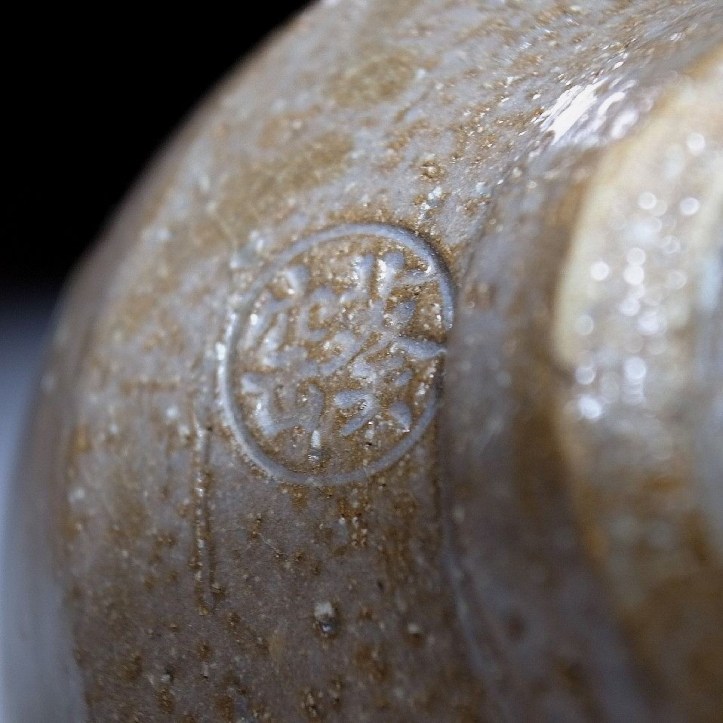
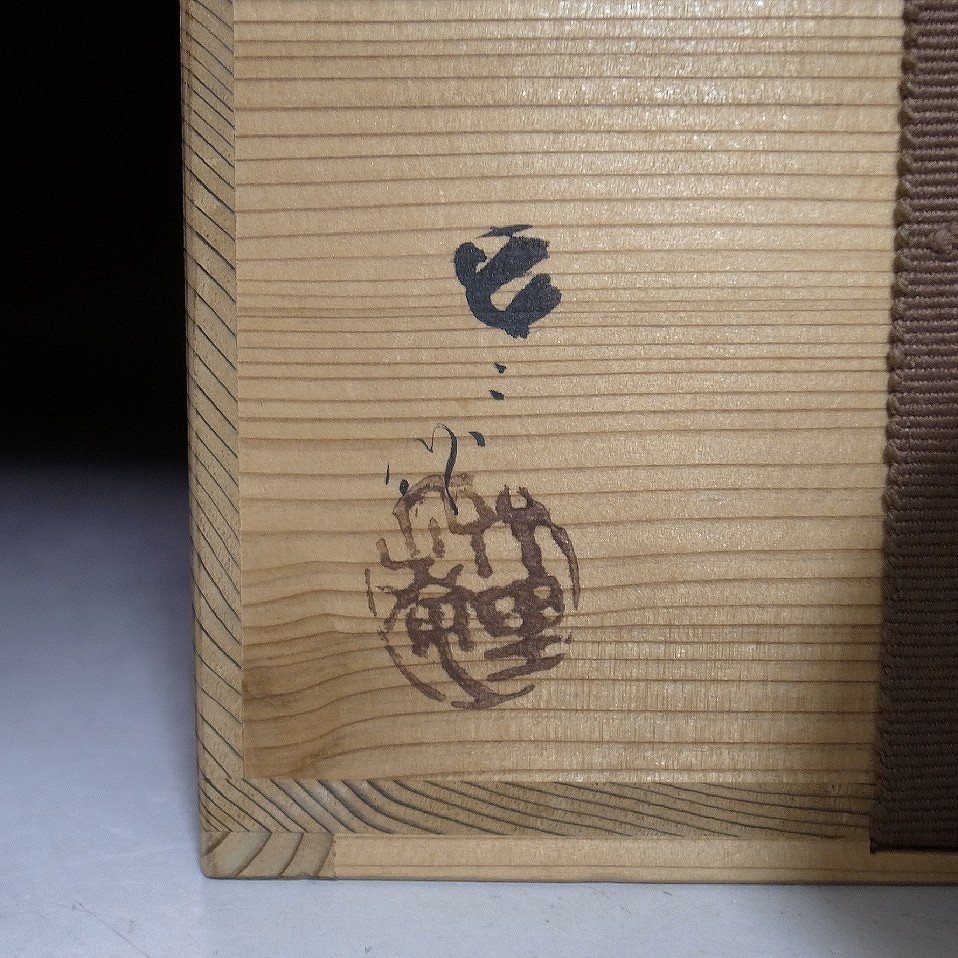
The chawan has no chips or cracks and is in excellent condition. Comes with the original signed paulownia tomobako with the kiln stamp and calligraphy. A first class chawan that truly takes you back in time.
€250 + shipping cost

Seto ware is the pottery made in Seto City and nearby areas of modern Aichi prefecture. The Seto area was the centre of pottery manufacture in the Kamakura period; ko-Seto (old-Seto), designates pieces made at this time. At the end of the Muromachi period the centre of the pottery manufacture moved to nearby Mino. At that time wares made in the area from Seto to Mino were called Seto-yaki.
In the early Edo period, some pottery manufacture moved back to Seto. In 1822, Kato Tamikichi (1722-1824), introduced sometsuke jiki (blue-and-white porcelain; sometsuke), from Arita in modern Saga prefecture, and this porcelain, called shinsei or new production rather than the original Seto ware pottery, Hongyou became standard. The Japanese term Setomono is also used as a generic term for all pottery. Seto was the location of one of the Six Ancient Kilns of Japan.
