Approximate size: W4.8″ by H3.4″ or 12.3 by 8.7 cm
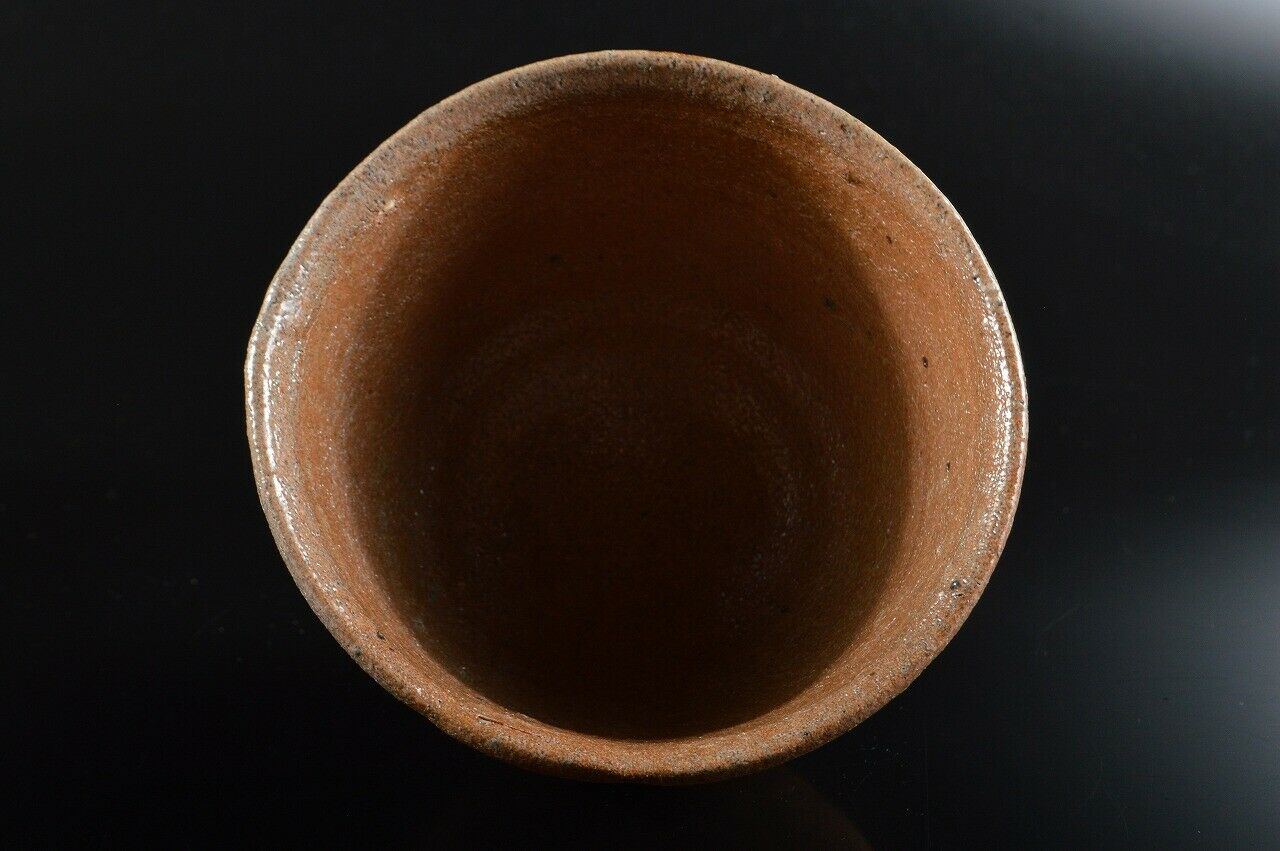
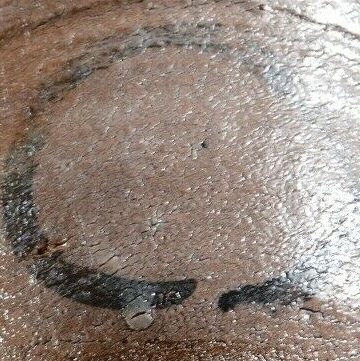
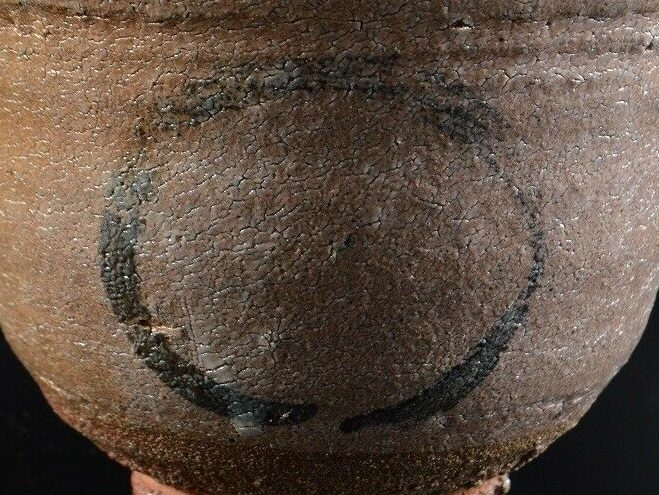
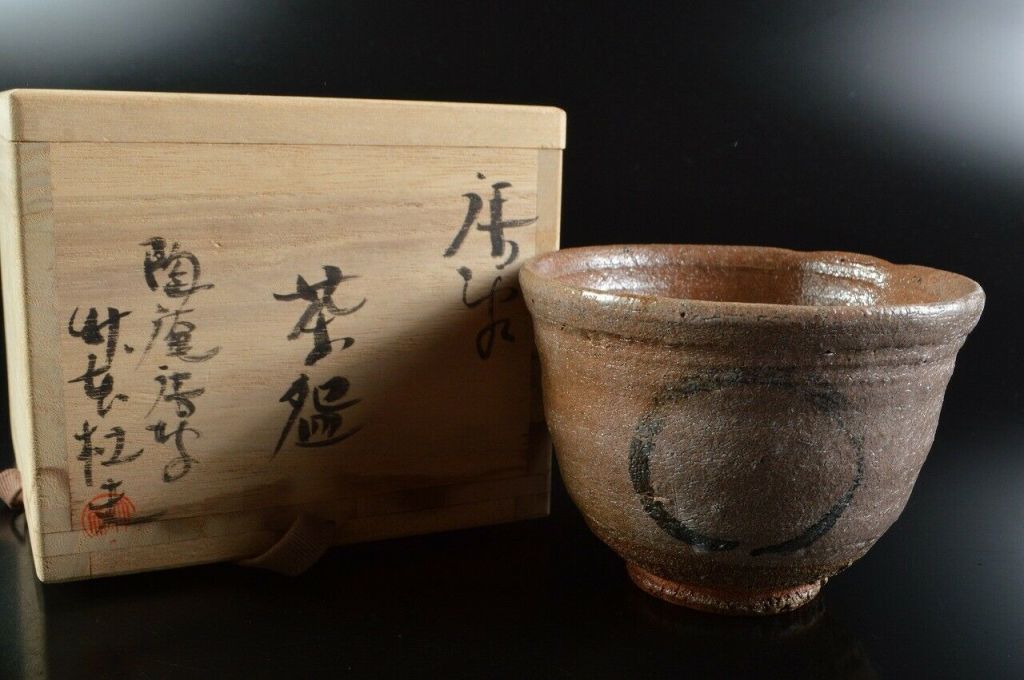
An exemplary Karatsu chawan made by the famous potter Takemoto Morio. In han tsutsu-gata or half cylinder shape which has been wheel-thrown and lightly shaped on the bottom half and given a carved koudai, foot-ring or foot of the bowl. The decoration seen on the bowl is known as ‘ensō’, a sacred symbol in Zen Buddhism meaning circle, or sometimes circle of togetherness. It is traditionally drawn using only one brushstroke as a meditative practice in letting go of the mind and allowing the body to create, as the singular brushstroke allows for no modifications.
Ensō (円相)
Its literal meaning in Japanese is ‘circle’. In Zen Buddhist philosophy, it is a hand-drawn circle in as few brushstrokes as possible, usually only one or two at the most. The defining feature of Ensō (円相) is that the brushstroke is uninhibited, free-flowing and expresses a movement when the mind is free to allow the body to create. The circle looks fluid, like the natural movement of water. This meditative art requires in its practitioner a free and open mind that has entered a meditative flow state. Rigidity and control in the mind are exposed as soon as the brush and ink touch the paper. Drawing Ensō (円相) is a disciplined-creative practice of East Asian ink-wash painting and calligraphy (in Chinese; Sumi-e, 墨絵, in Japanese, ‘way of the brush’).
Karatsu-yaki is one of Japan’s oldest and most revered styles of ceramics used in daily life and later in history the development of the Tea Ceremony. Karatsu pottery originates in what is nowadays Saga prefecture. Among the many different aesthetic characteristics that developed this is an exemplary e-Garatsu chawan.
The glaze used for Karatsu yaki is “wood ash glaze”, which, as the name suggests, is made of wood ashes. It is used as the basic glaze for e-Garatsu (Brush decorated Karatsu ware), and muji-Garatsu (plain Karatsu ware), as well as most other types of Karatsu ware). The second most commonly used glaze is straw ash glaze, which makes use of the cloudy nature of straw ash. It is used for madara-Garatsu (mottled Karatsu ware), and for layering with black amber glaze when making chōsen-Garatsu (Korean-style Karatsu ware). Apart from these types of glaze, iron glaze is also used to make pots.
While there are many accounts about the origin of Karatsu ware, it is regarded to have been first created in the territory of and under the protection of Hata clan. This clan was located at Kishidake Castle from the end of the Muromachi to the Momoyama era (approximately 16th, 17 century). Thereafter, the production of Karatsu ware increased with the influx of potters from Chōsen (today’s Korea) who were brought back to Japan after Japan’s Chōsen expedition by Hideyoshi Toyotomi (in 1590’s). These potters started their own potteries in various areas across Japan.
The chawan has no chips or cracks and is in mint condition. Comes with the original high quality paulownia tomobako or storage box with the potter’s stamp and calligraphy on the side.
SOLD
Thank you very much!
Chōsen-Garatsu (Korean-style Karatsu Ware)
Two types of glaze – iron glaze and straw ash glaze are used. Iron glaze is poured over the raw clay first, followed by straw ash glaze (spot glaze), which is poured above the layer of iron glaze. The artwork created from the fusion between the two different types of glaze is Chōsen-Garatsu. The style where the iron glazes are put over the straw ash glazes on the clay can also be seen in other Chōsen-Garatsu works. For some Chōsen-Garatsu, the order in which the two types of glaze are poured over the raw clay is reversed, i.e. straw ash glaze followed by iron glaze.
Related
Discover more from Quality Chanoyu Articles
Subscribe now to keep reading and get access to the full archive.