



Potter: Zenko Yasuda, Masahiro
Approximate size: W4.5″ by H3.2″ or 11.5 by 8.2 cm
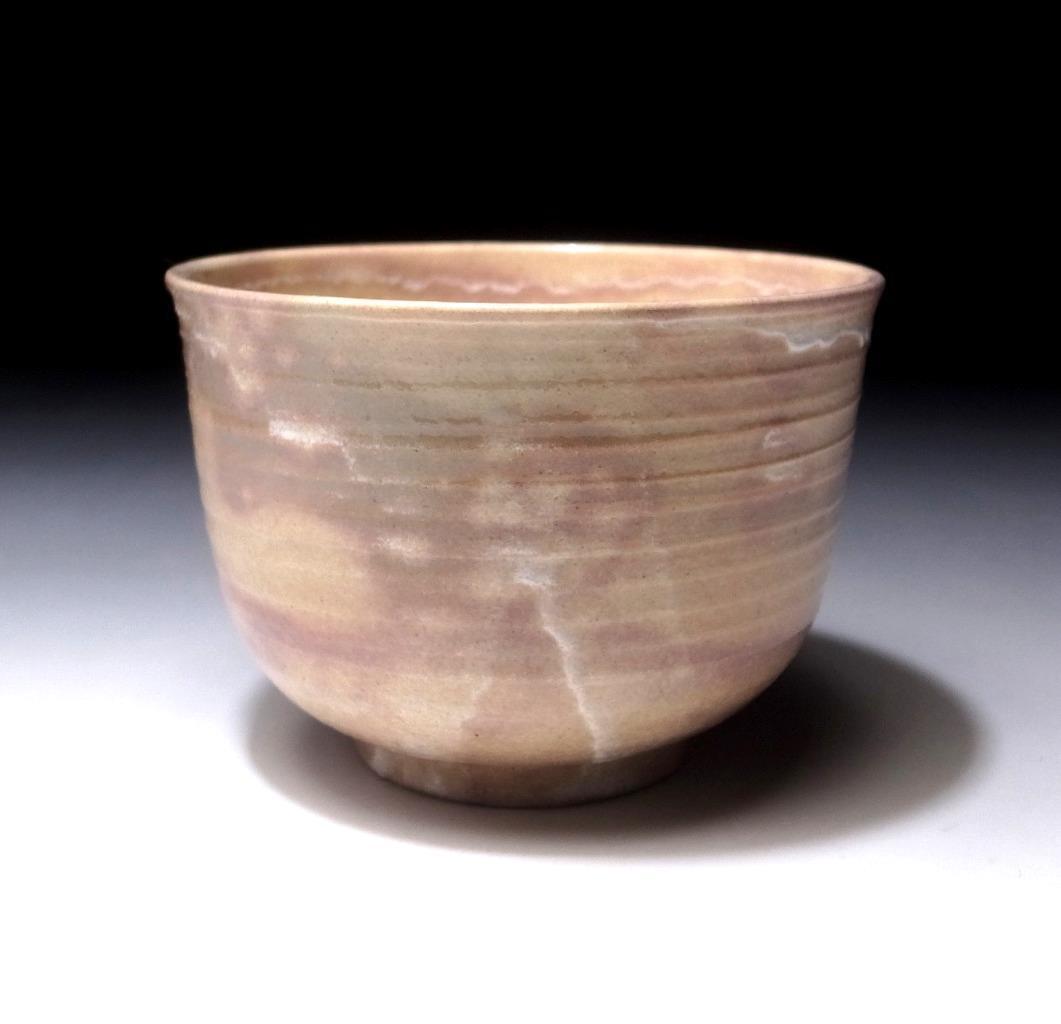
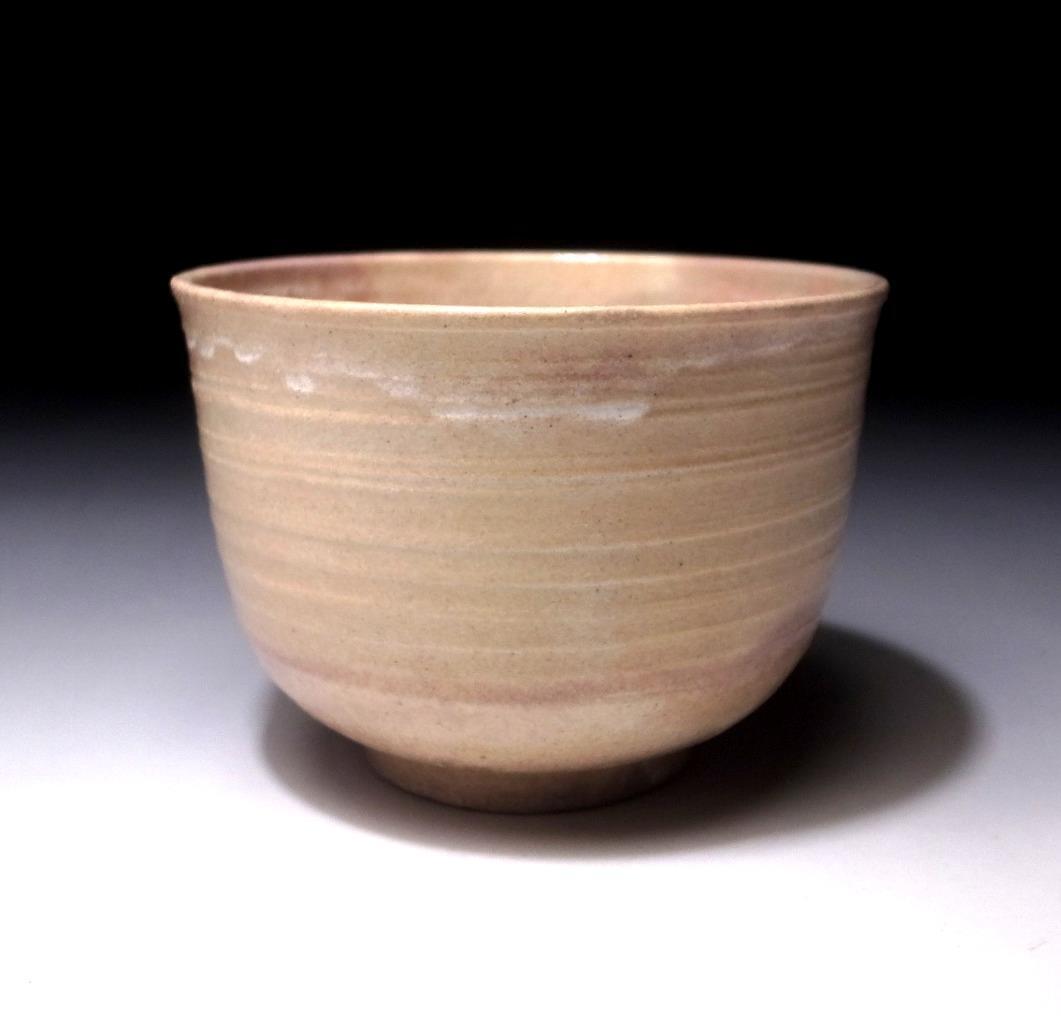
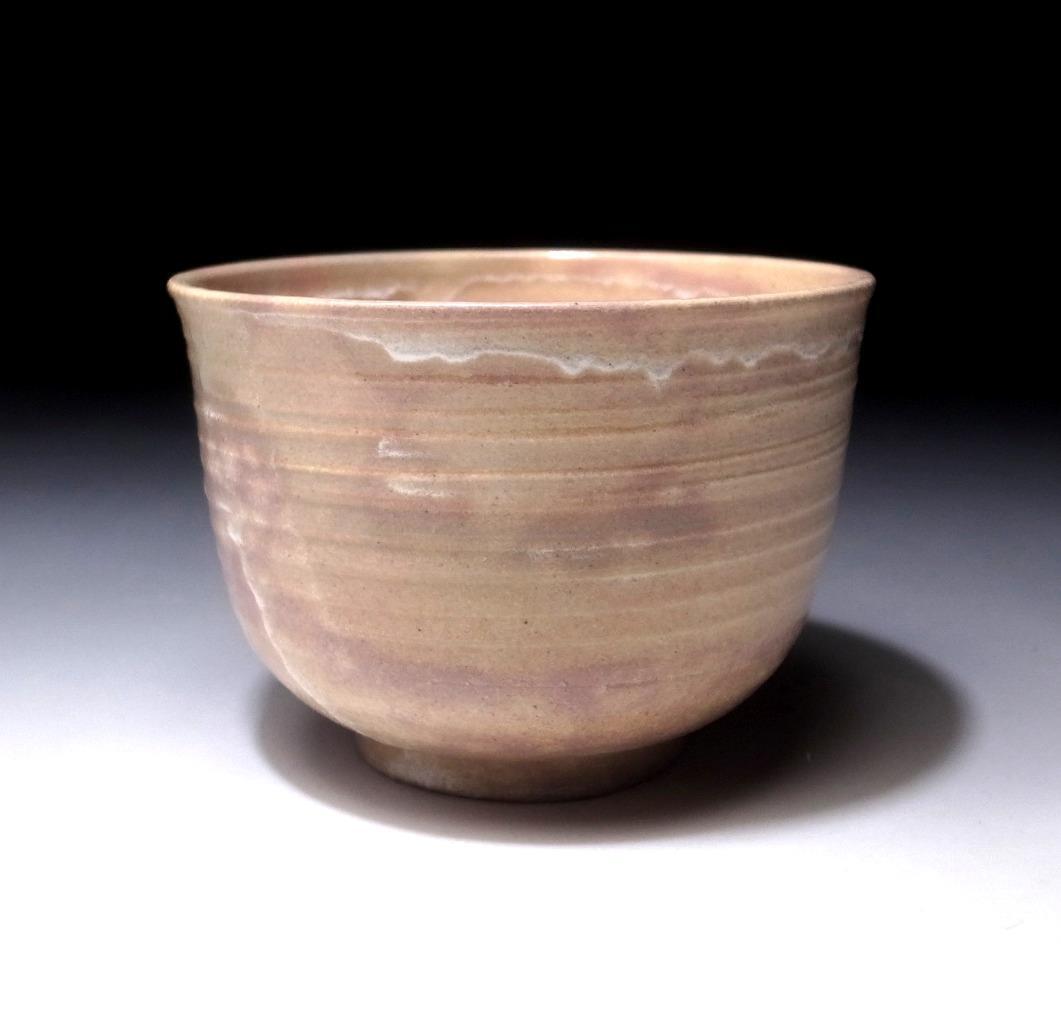
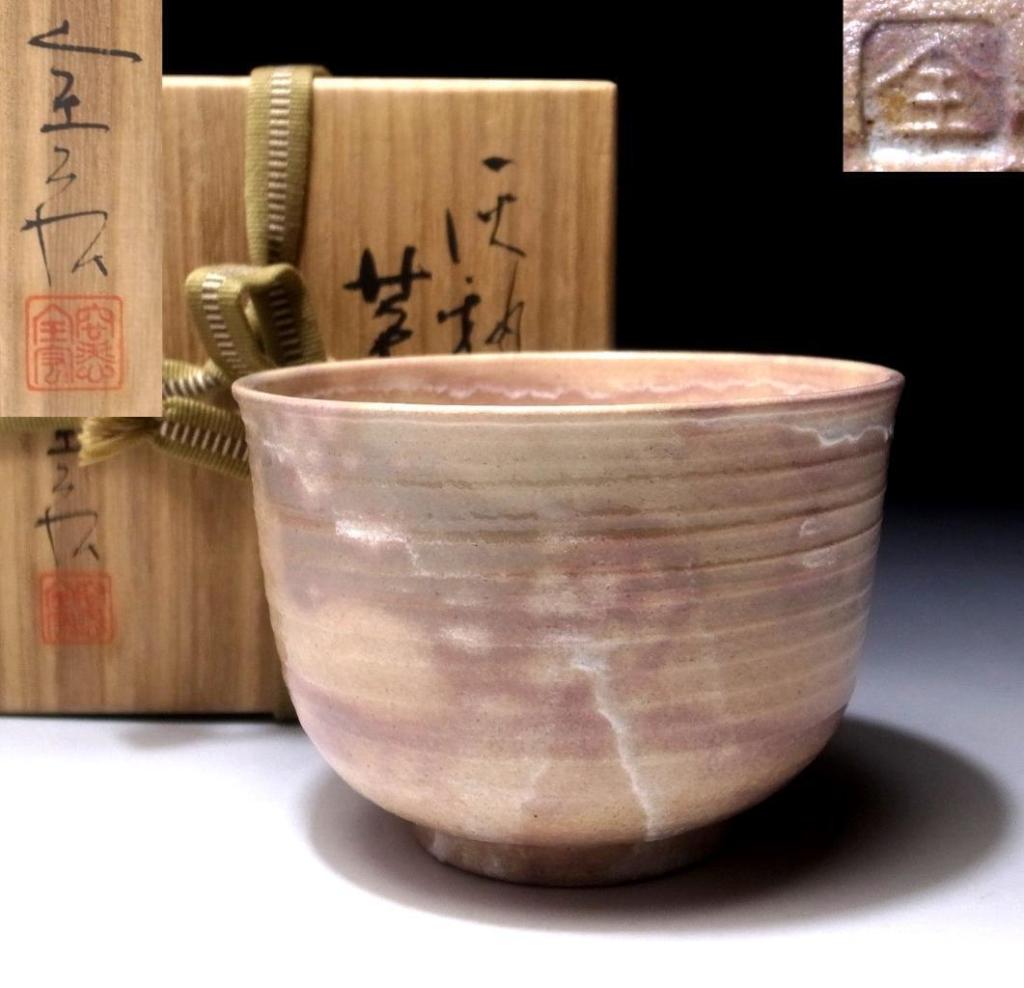
A well-balanced Gohon chawan or tea bowl by master-potter Zenko Yasuda. His real name was Masahiro Yasuda and he was born in Kyoto in 1926. Yasuda Zenko studied at the Kyoto Craft & Fabric University where he specialized in the making and building of kilns. Afterwards he studied pottery under the 6th Kiyomizu Rokubei (1901-1980). After going independent he build a kiln called Rokushin No Kama in Kyoto. Zenko Yasuda created unique and distinctive stoneware using complex glazing techniques. He passed in 2011 at the age of 86. A well respected 20th century Japanese potter and one of my personal favourites.
The subject of this utsushi is a from origin Korean – Joseon period type of tea bowl called “gohon”. These were chawan ordered by Japanese tea masters from Korean. often state sponsored kilns located in and around the city of Pusan. A practice that continued even after Korean potters had established domestic workshops in Japan (heavily influencing for instance Hagi ware). These commissioned bowls were fabricated according to sketches or wooden models (gohon). Thus called “gohon” bowls, which retained the styles of various sixteenth-century Korean types that were well-represented at Japanese tea ceremonies, yet at the same time also reflected the contemporary preference for thin, well-finished wares.
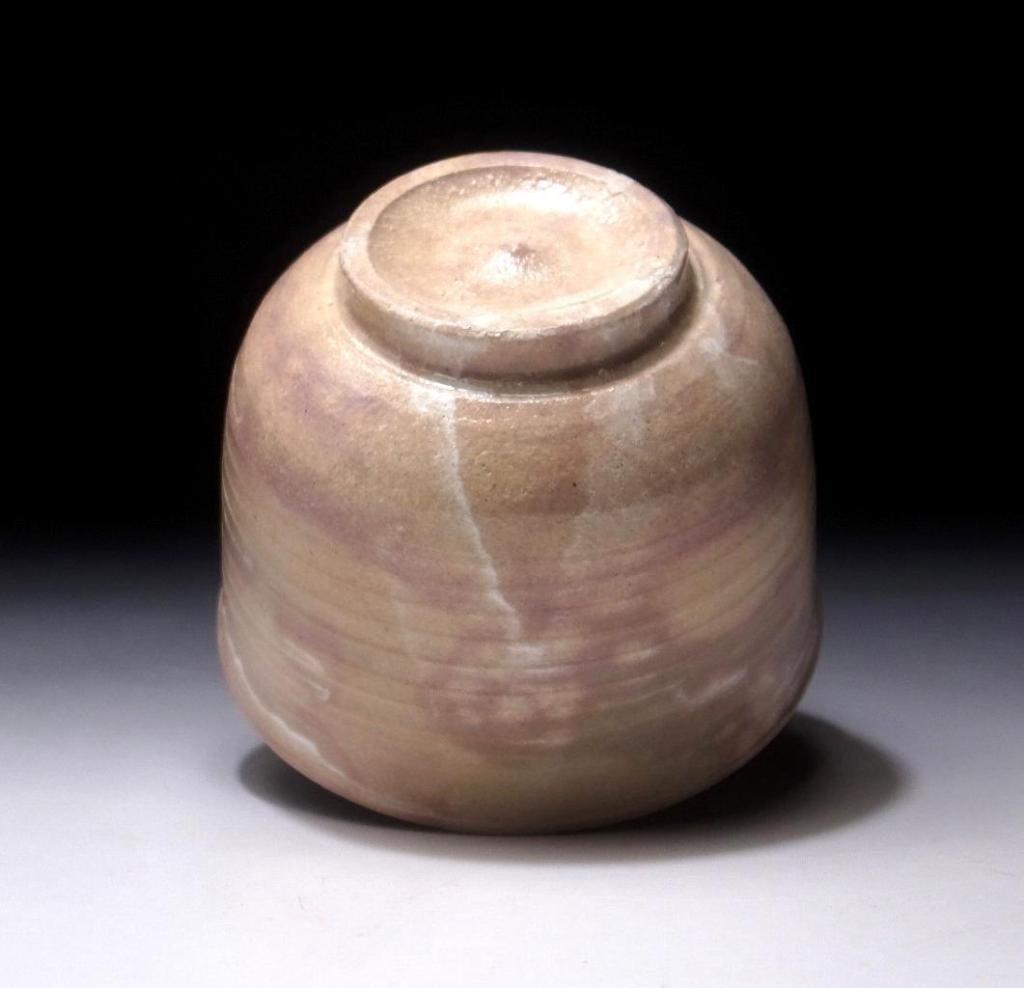
Utsushi are high quality replications of ancient works. A practice that has been traditionally admired for established Japanese ceramics as creating high quality duplication requires extremely skilled and broad-based techniques in all aspects of creation, and often compels the artisan to meticulously recreate an atmosphere which often was created on accident by the original artisan. Very few artisans can accurately duplicate historically treasured works.
Kyo yaki or Kyo ware refers to a style of ceramics that spread from the Higashiyama area in Kyoto during the early Edo period of the Tokugawa rule (henceforth this family line continually ruled Japan for more than 250 years). It was around this time that the art of Chanoyu or the Tea ceremony became popular and widespread in Japan. By contrast, the pottery produced along Gojo-zaka, a street leading to Kiyomizu Temple, was called Kiyomizu yaki. Nowadays all pottery produced in Kyoto is commonly referred to as Kyo or Kiyomizu ware.

Zenko Yasuda (1926-2011), first displayed nationally at the Nitten in 1950. Later in life he also served at the Nitten Exhibition as a member of the jury. His work was acquired by Metropolitan Museum of Art in New York in 1964 and the Museum of Modern Art in Shiga prefecture boasts no less than 10 works in their collection. He was awarded the prestigious Japan Ceramic Society Award in 1958 and was subsequently collected by the Metropolitan Museum of New York in 1963. Awarded at the Nitten in 1964 followed by the National Modern Crafts Exhibition in 1967 and collected by Japanese Government in 1971 (Gaimusho). A Private Exhibition of the artists work was held in San Francisco in 1978, a rarity for all but especially Japanese artists at the time.
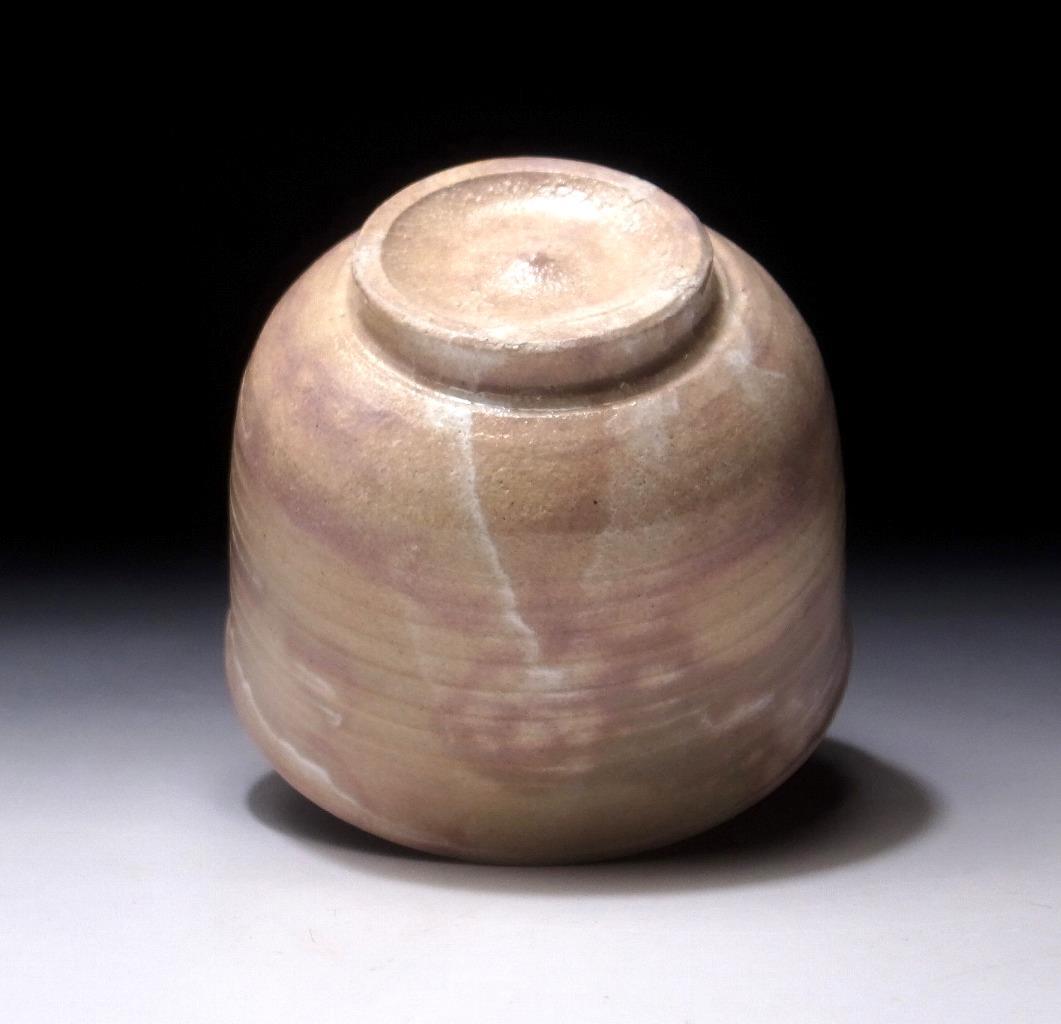
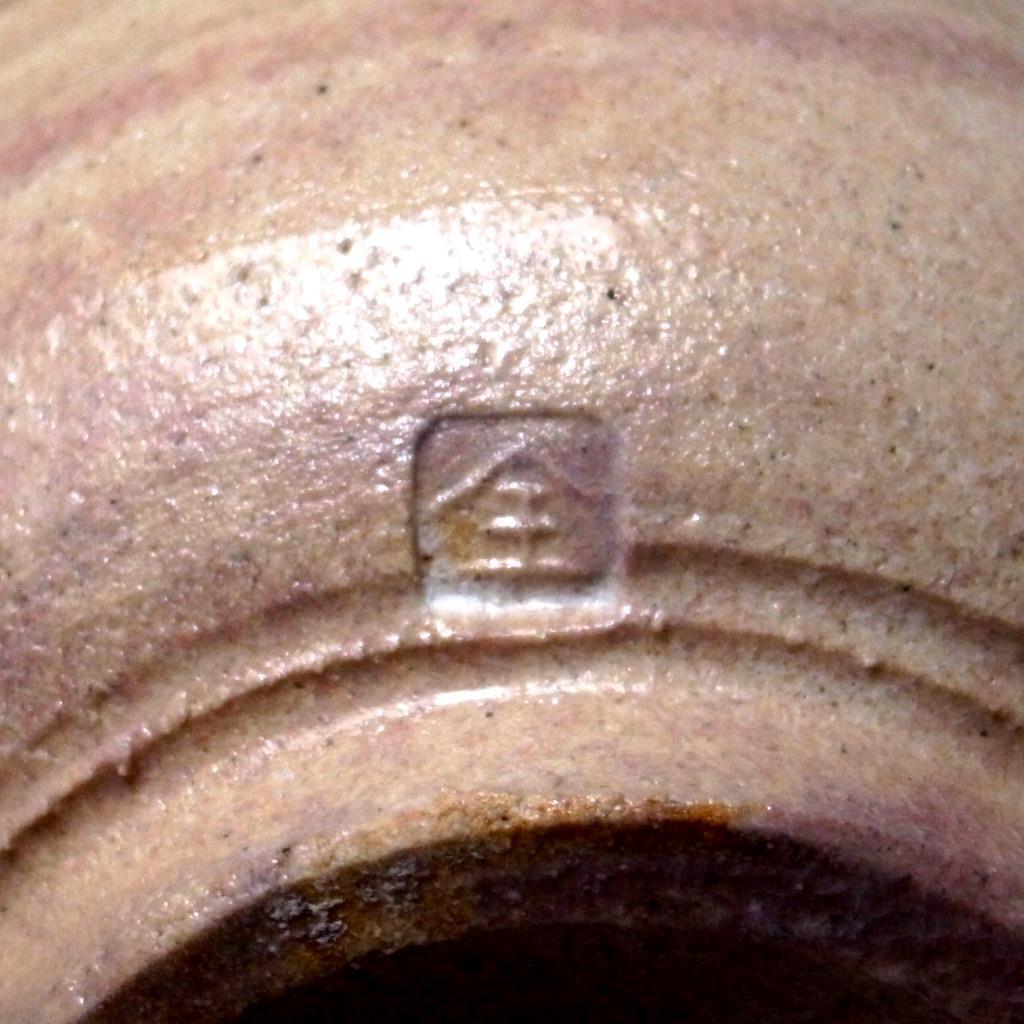
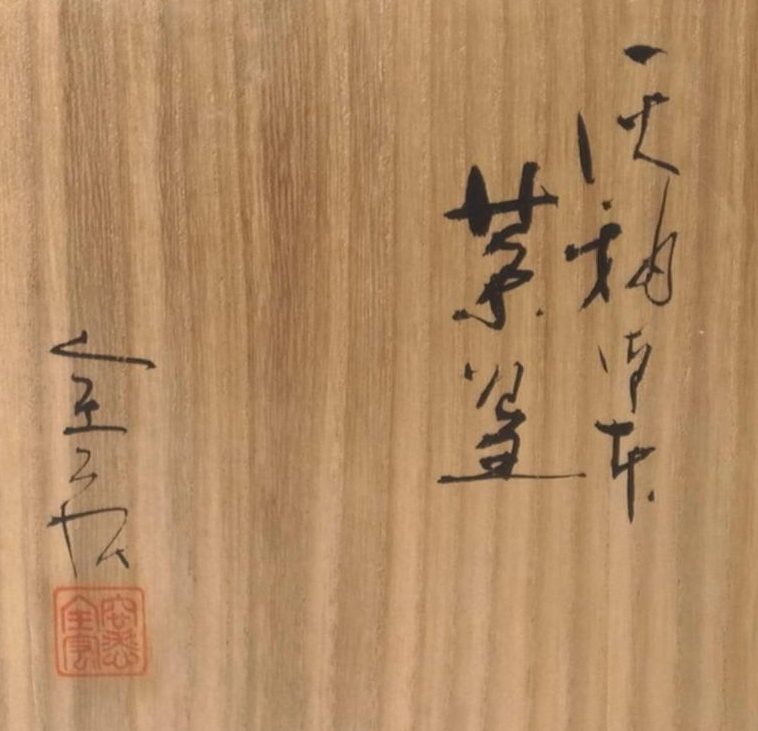
The chawan is stamped by the potter next to the koudai or foot of the bowl. There are no chips or cracks and condition is mint. Comes with the original paulownia tomobako or storage box with the artist’s calligraphy and seal on the lid and a blue tomonunu or tea-cloth.
€320 + shipping cost
Those interested can follow this link to see an overview of award winning works at the 2001 exhibition held by the Japan Ceramic Society (Nihon Toji Kyokai). Amongst the winners were Living National Treasures, Intangible Cultural Treasures – simply some of the greatest and most famous artists including our subject potter Zenko Yasuda.
In a nutshell, Bunten and Teiten were official, state-controlled, juried art exhibitions. Nitten replaced them after the war. The meaning of these official exhibition societies for the world of Japanese arts was pretty comparable to the French Salon in the second half of the nineteenth century. The conservative Salon was the institution most hated by the French impressionists – their works were regularly rejected by the jury. And without a representation by the Salon, an artist had hardly any chance to sell anything to private collectors.
After the end of the Pacific war the attribute Imperial was no longer trendy. Everything was reorganized and renamed. In 1946 the Imperial Art Academy became The Japan Fine Arts Exhibition, abbreviated as Nitten. The Nitten developed into a larger organization that features multiple departments. Today the Nitten has five art faculties, Japanese Style Painting, Western Style Painting, Sculpture, Craft as Art and Calligraphy.
