


Potter: Masayoshi Oshio, 8th generation

Approximate size: W5.6″ by H2.8″ or 14.3 by 7.0 cm
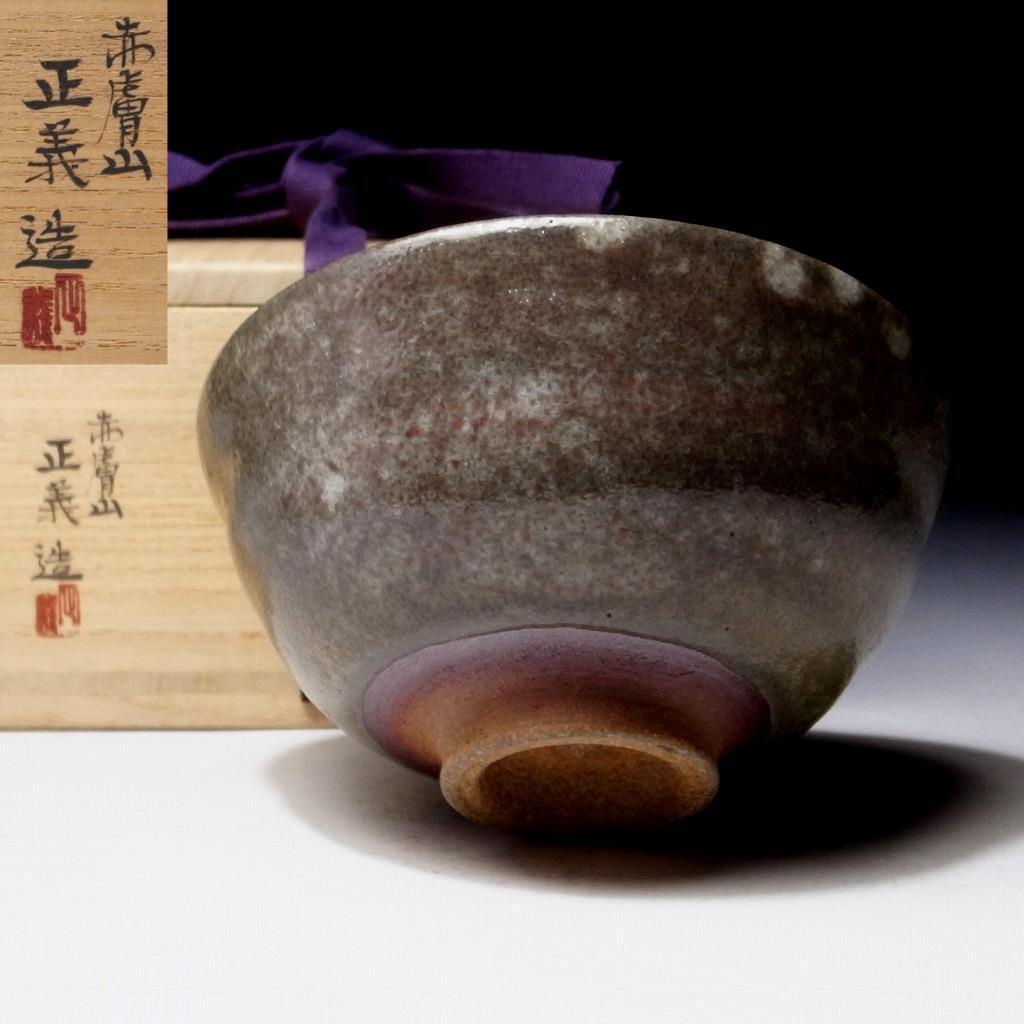
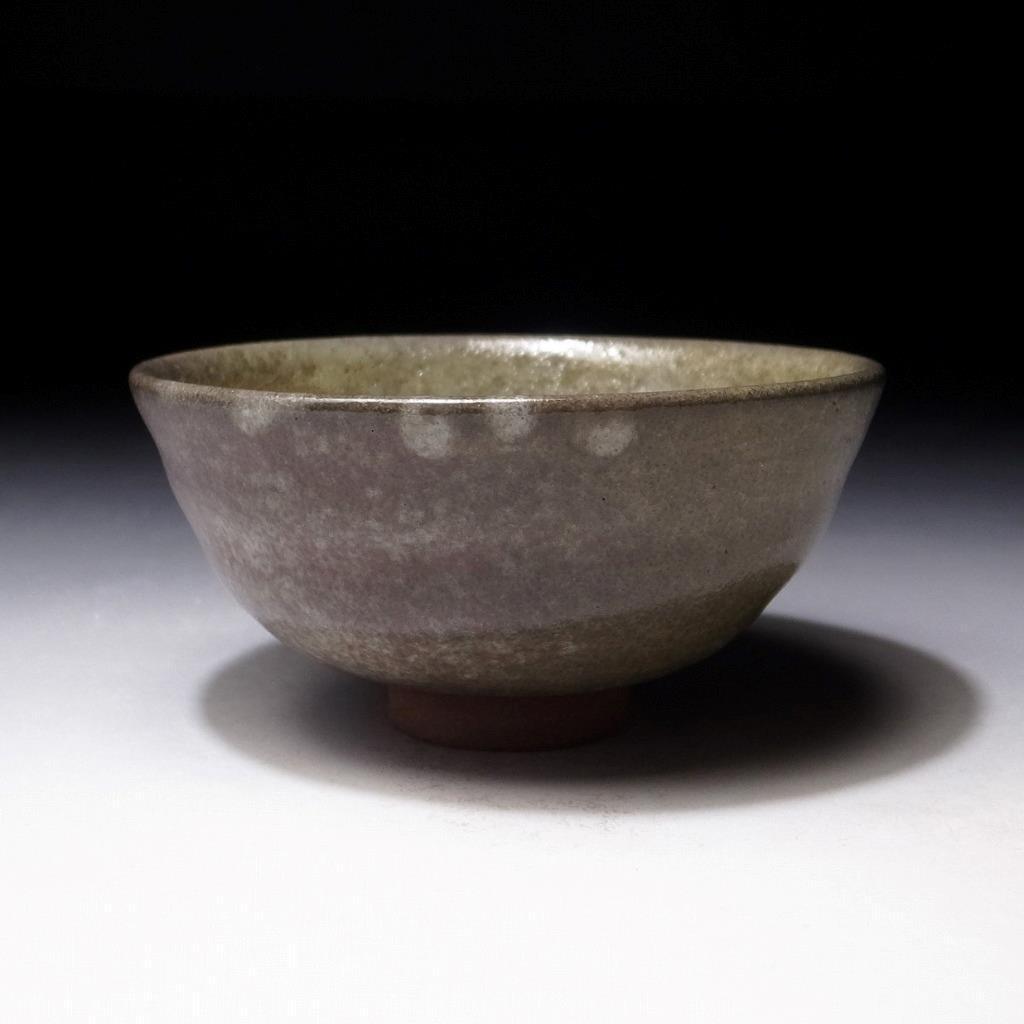
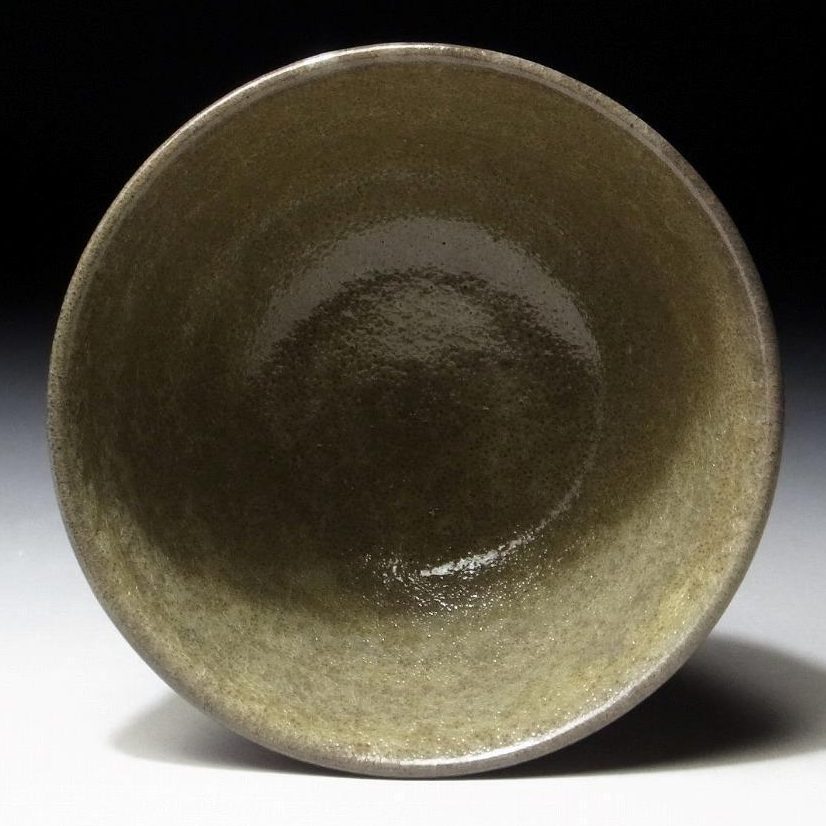
This is an Akahada chawan or ceremonial tea bowl made by the 8th generation potter Masayoshi Oshio. Third son of Masayoshi Yashiro, also a potter. Masashi Oshio is now the representative of this lineage. He graduated from Nara College of Art Ceramics Department in 1990 and is still active. Every part of creation is done by the potter himself, starting with collecting and processing the rare soil from Mt. Akahada in Nara. Akahada ware is characterised by the beautiful reddish colour of the clay that is produced when the clay is unglazed. In particular, the scenery with a soft reddish tinge between the milky white glaze and the unglazed surface is a unique flavour of Akahada. In addition, the elegant Nara-e painting has also gained popularity as a style unique to the Yamato pottery. Personally this bowl and its glaze remind me of the translucency of celadon with much activity, both in colour and formations or patterns. Also as the name suggests; aka meaning red, hada translating to skin or surface; its the quality of the clay that created this type of pottery.
Akahada ware has been made in Nara prefecture, Japan since the end of 16 century. Nara Prefecture is in central Japan, south of Kyoto. In the capital Nara, wild deer roam Nara Park. Within the park, Tōdai-ji Temple is home to the Daibutsu bronze Buddha (which is 15 meters tall!). To the south-west, the 7th-century Hōryū-ji Temple complex is built around a towering wooden pagoda. In spring, the slopes of Mt. Yoshino are covered with thousands of blooming cherry trees and there are numerous trails and waterfalls in the Mitarai Valley.
In 1585, Toyotomi Hidenaga, the younger brother of Toyotomi Hideyoshi, opened a kiln in Gojo Village near Mt. Akahada. Which in present-day is Yamato Koriyama, Nara Prefecture. This kiln is one of the Enshu Seven Kilns – favoured by the famous cultural figure Kobori Seiichi (Kobori Enshu 1579-1674). As the name suggests, Akahada ware has a reddish tinge to the surface of the pottery, and there are two theories about the origin of the name: one is from the reddish surface of the pottery and the other is from the local place name “Mt. Akahada”. The reddish vessels are covered with a milky-white glaze and often decorated with paintings called Narae. Narae is a popular style of painting based on themes such as Otogi Zoshi, and its subtle and childish compositions skilfully bring out the simplicity of the vessel. Many have dolls or houses drawn within the two lines at the top and bottom and various patterns such as Nara scenery, deer and old folklore stories. In the late Edo period it was protected by the feudal lord Yasumitsu Yanagisawa and at the end of the Edo period, a master craftsman named Okuda Kishiro demonstrated techniques such as Ninsei copying and popularised it. This technique has been passed down by craftsmen and continues to be an important part of Japan’s culture.

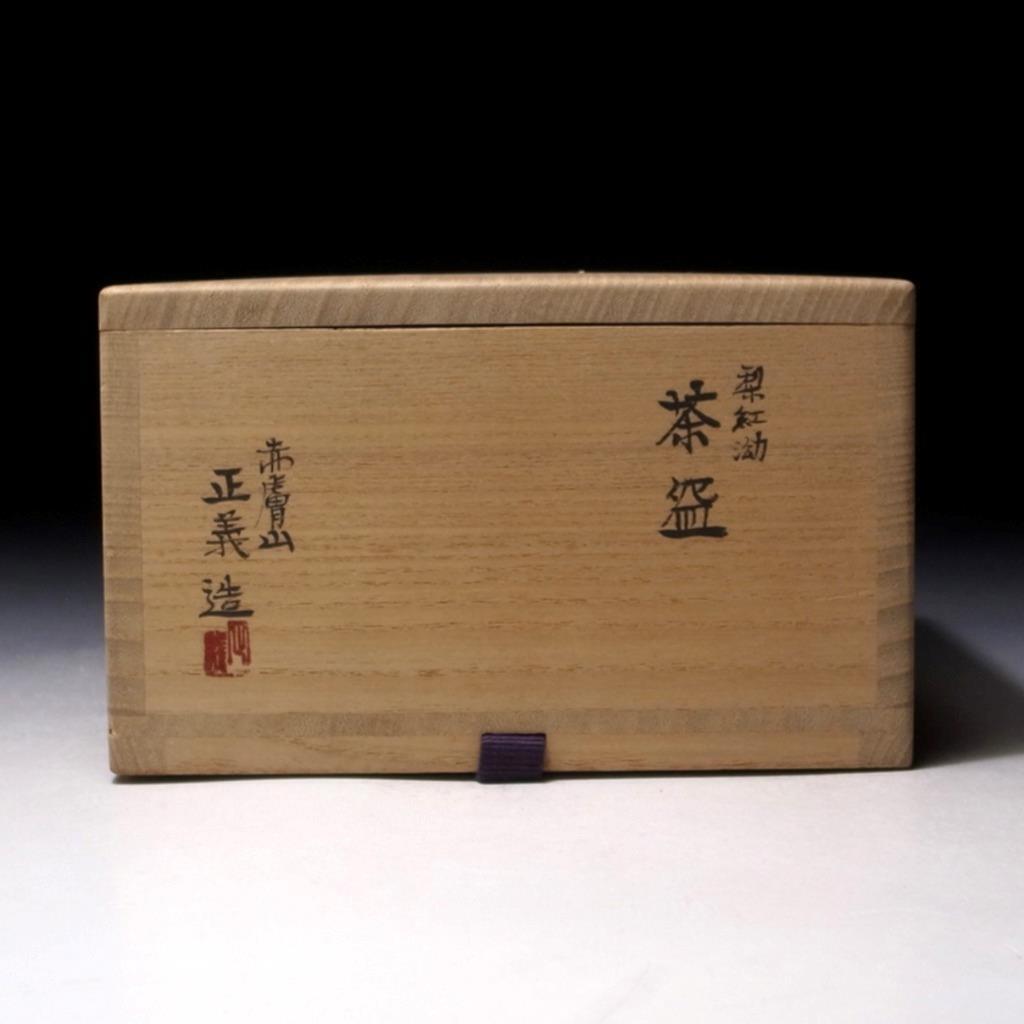
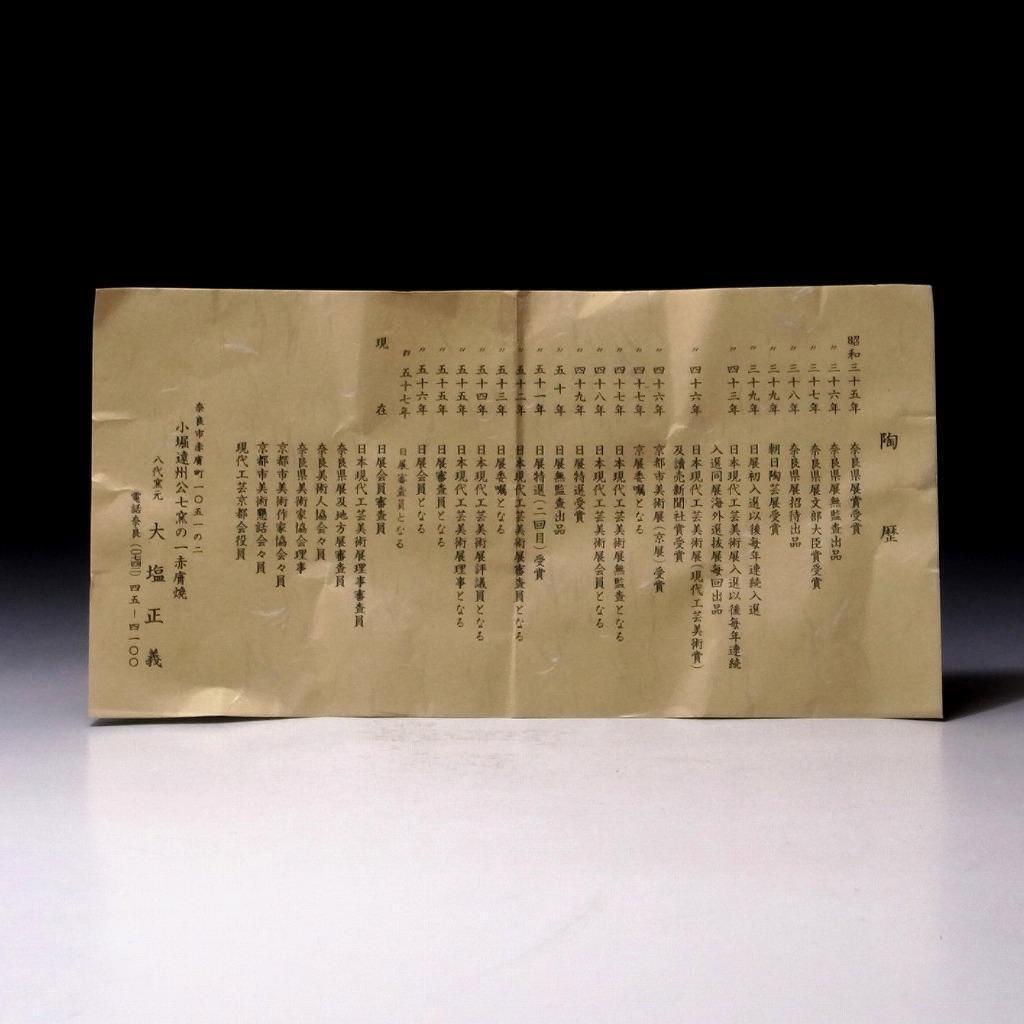
The chawan has no chips or cracks condition is mint. Comes with the original high quality, shiho san paulownia tomobako or storage box that bears the kiln stamp and calligraphy on the side, a dedicated tomonuno or stamped tea cloth and a pamphlet about the potter.
SOLD
Thank you very much!