
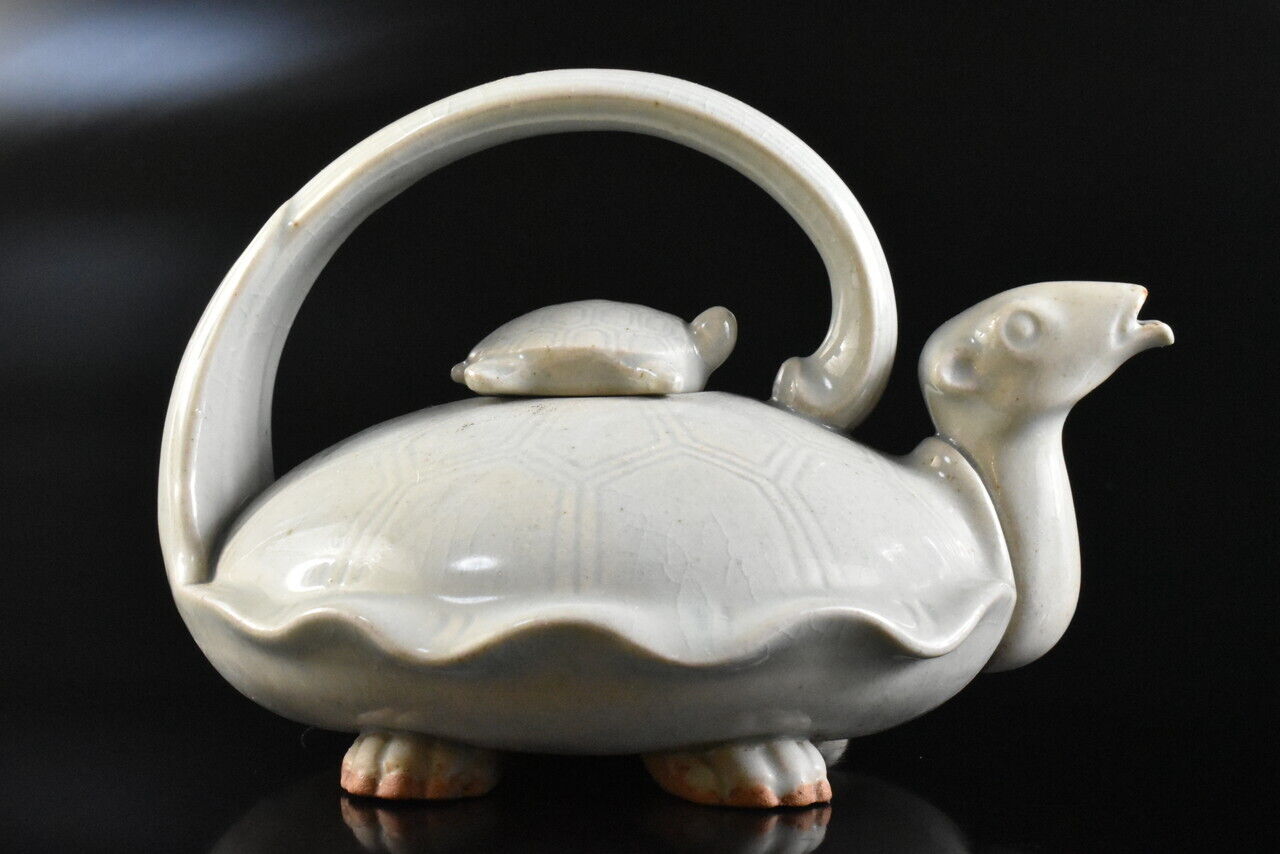
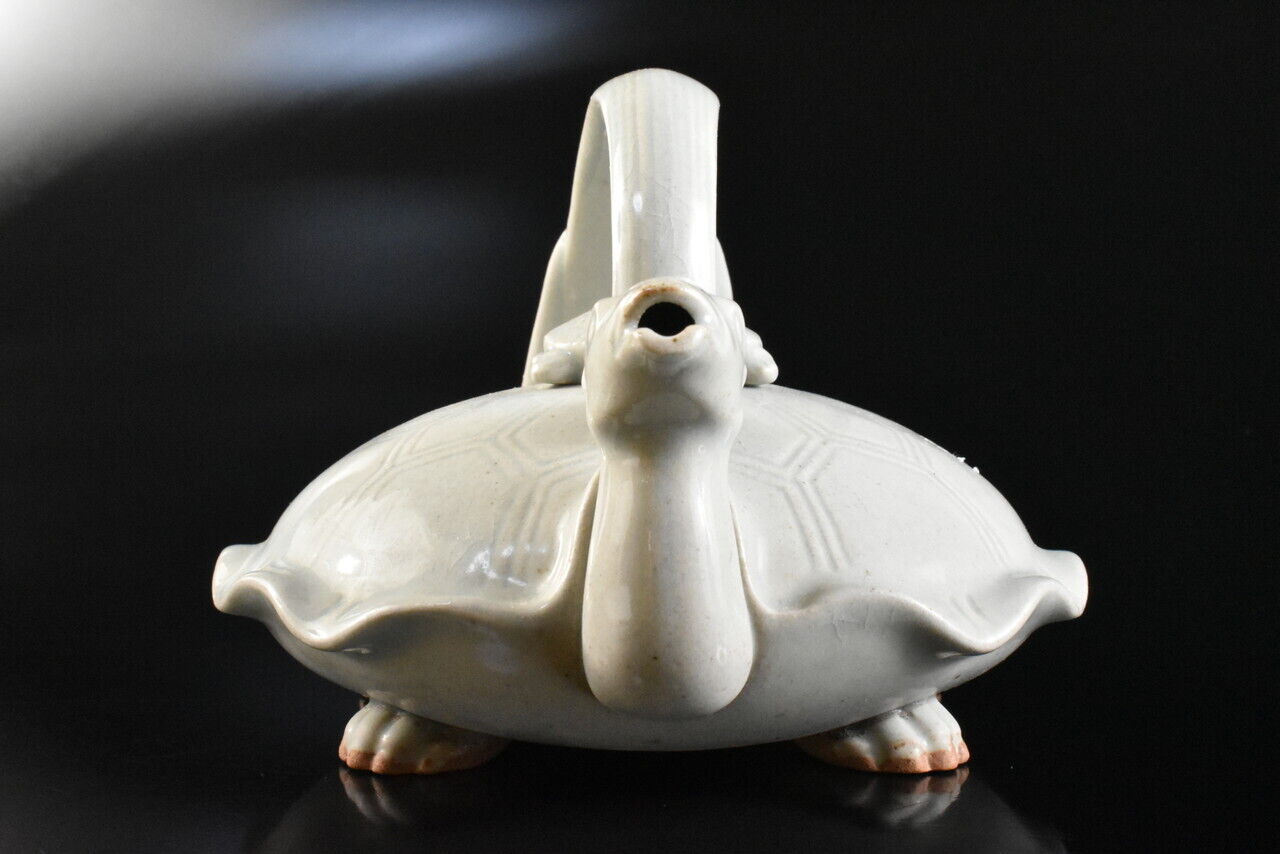
Approximate size: W6.7″ by W6.0 by H5.0″ or 17.3 by 15.5 by 12.8 cm
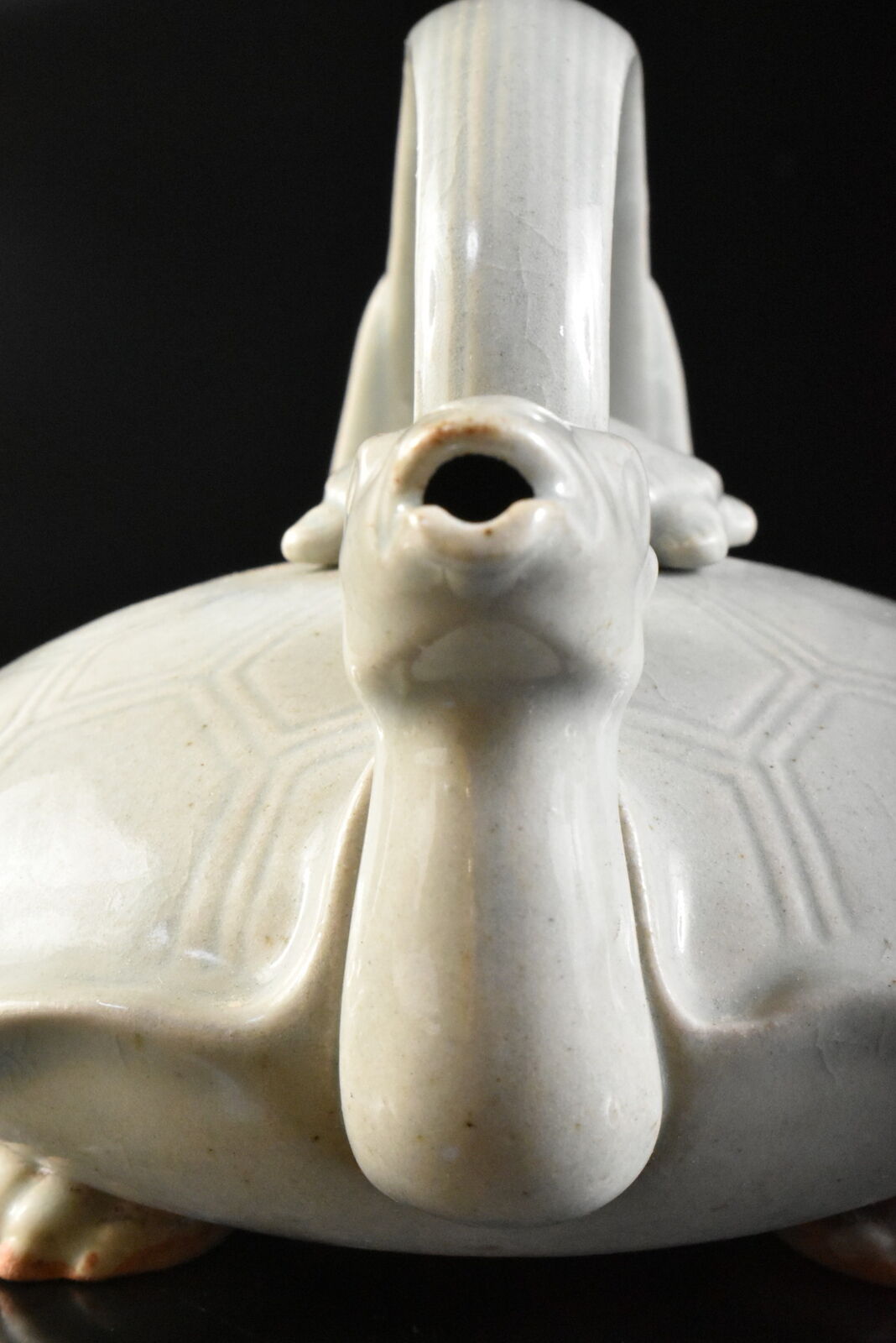
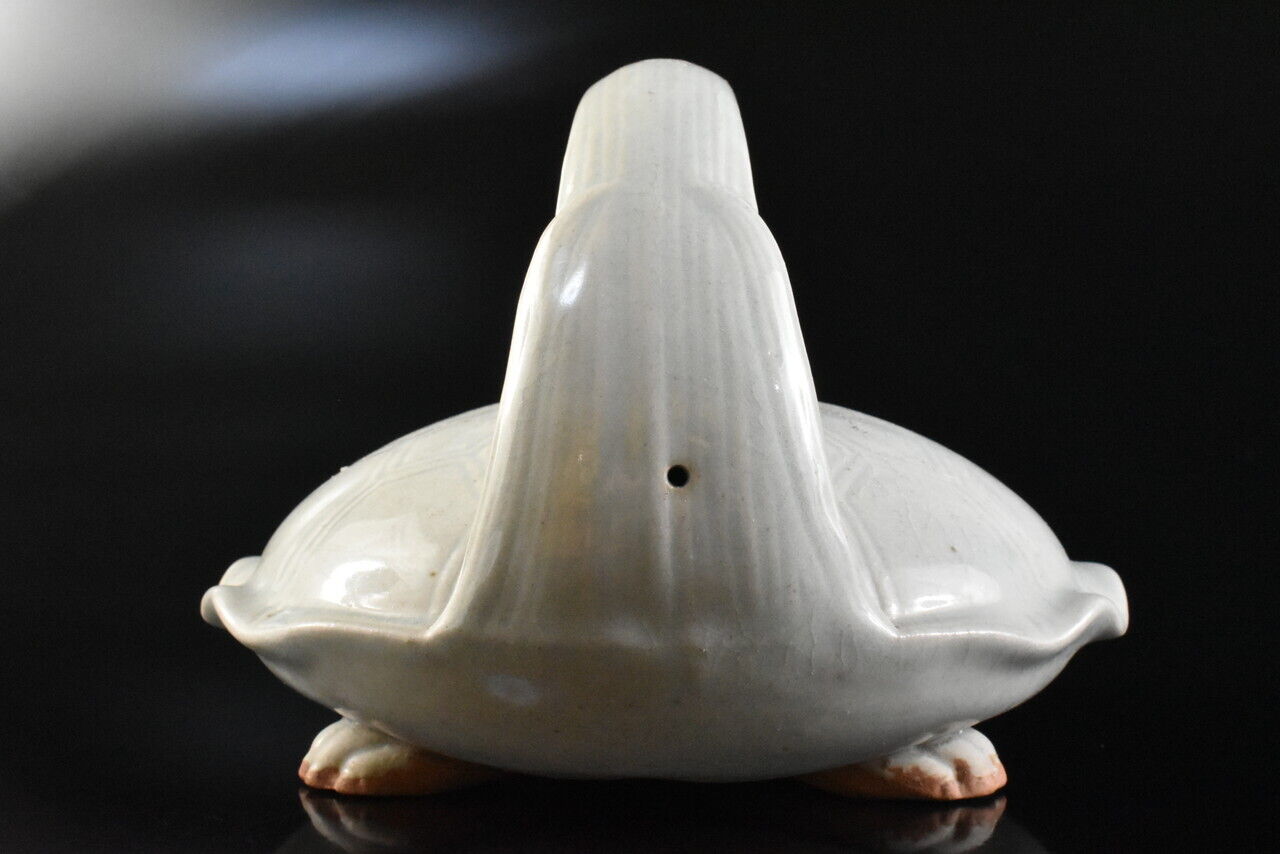
This is an exquisite Fushina tortoise or turtle shaped tea pot. The lid is also shaped as a little turtle or tortoise. I have seen this shape in Fushina, Takatori and Mikasa ware though none of the aforementioned kyusu were this fine in their execution. Fushina ware is pottery that originates in Shimane prefecture. The turtle symbolises a long and happy life because the animal can live for a relatively long time. This is why centuries ago, a proverb originated in Japan saying ‘A crane lives for a 1000 years and a turtle lives for 10.000 years’. This is an particularly fine example and quite rare. Over the last decade I’ve seen only 3 on the market.
Originating from Tamayu-cho, Matsue City, Shimane Prefecture, this fine pottery traces its roots to the kiln established by Funaki Yojibee Muramasa in the middle of the Edo period. Under the guidance of Zenshiro Tsuchiya, who relocated from the Rakuzan kiln under domain orders, the quality of Fushina ware soared. Flourishing at the time were the domain kilns of Tsuchiya and Nagahara, influenced by Fumai Matsudaira (alongside the private kilns of the Funaki lineage). By the Meiji era, Fushina ware had garnered international acclaim, with its distinctive yellow glaze paintings reaching the height of popularity and transcending borders.

Shimane Prefecture can be understood best by making a distinction between its eastern and western halves. The east is made up of the cities and towns near and around Lake Shinji and Lake Nakaumi. The major municipalities include the cities of Yasugi, Matsue and Izumo. An area of exception that should also be in this category is the Oki Island Archipelago, which is about 75-85 kilometres off the coast. The eastern region of Shimane has the largest population and is home to the prefecture’s capital, Matsue City.

Western Shimane Prefecture or more precisely the southwest, includes the cities of Masuda and Hamada as well as the Tsuwano Town on the border with Yamaguchi Prefecture. The western half of Shimane is characterized by its natural beauty from the hinterland to the coast.
The cultural bond that unites the entire prefecture can be found in the shared reverence for the history, myths and legends of the land. One example is the Kagura dance for the gods that is performed throughout Shimane in several variations.
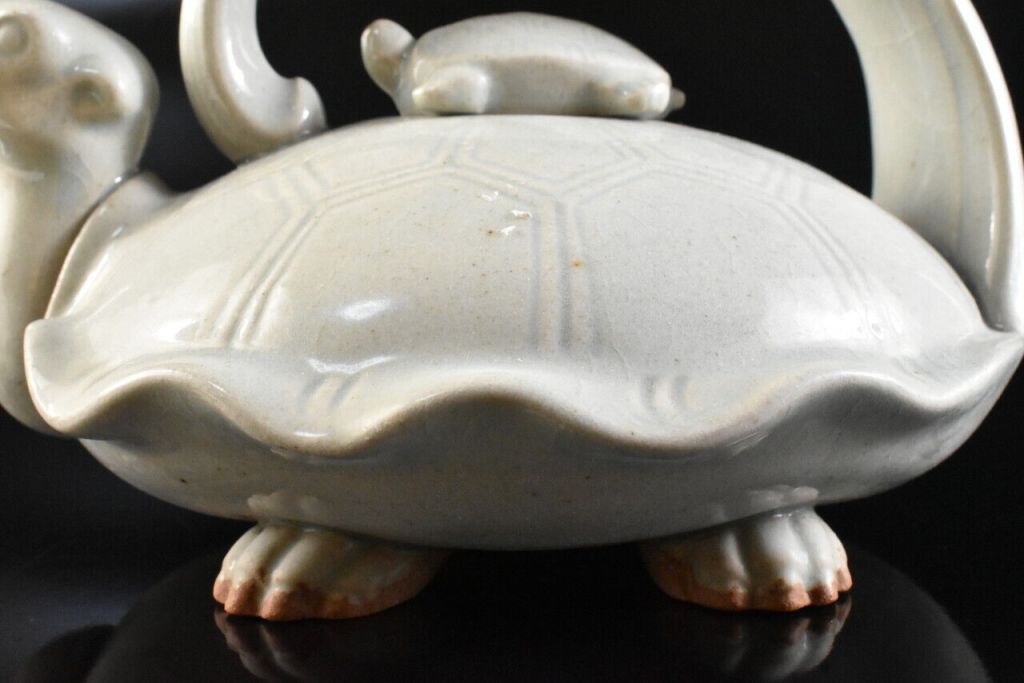
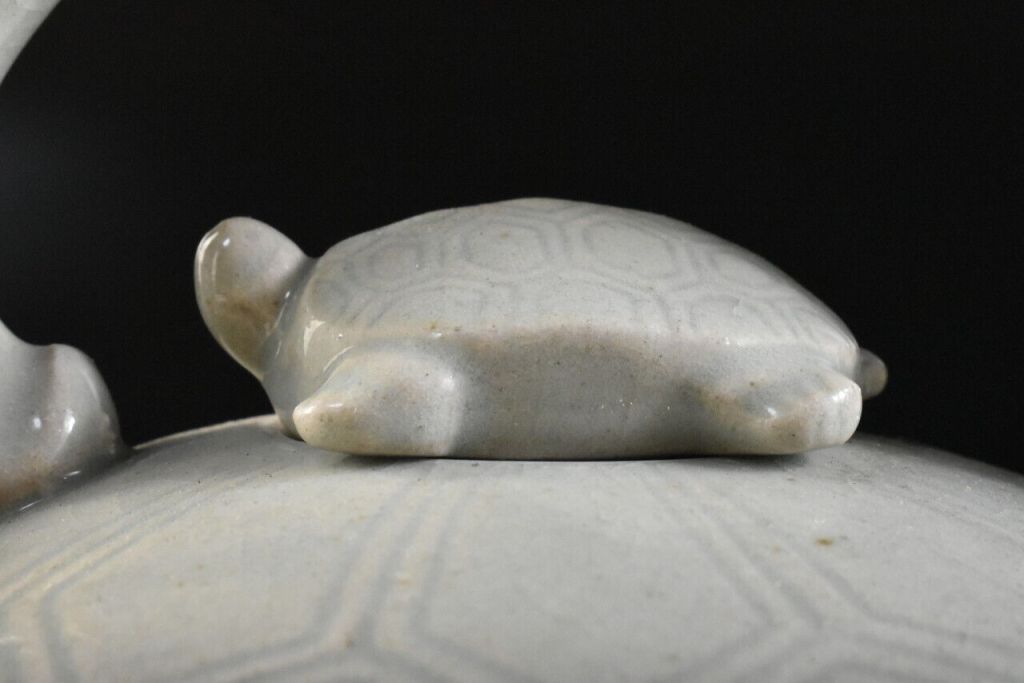
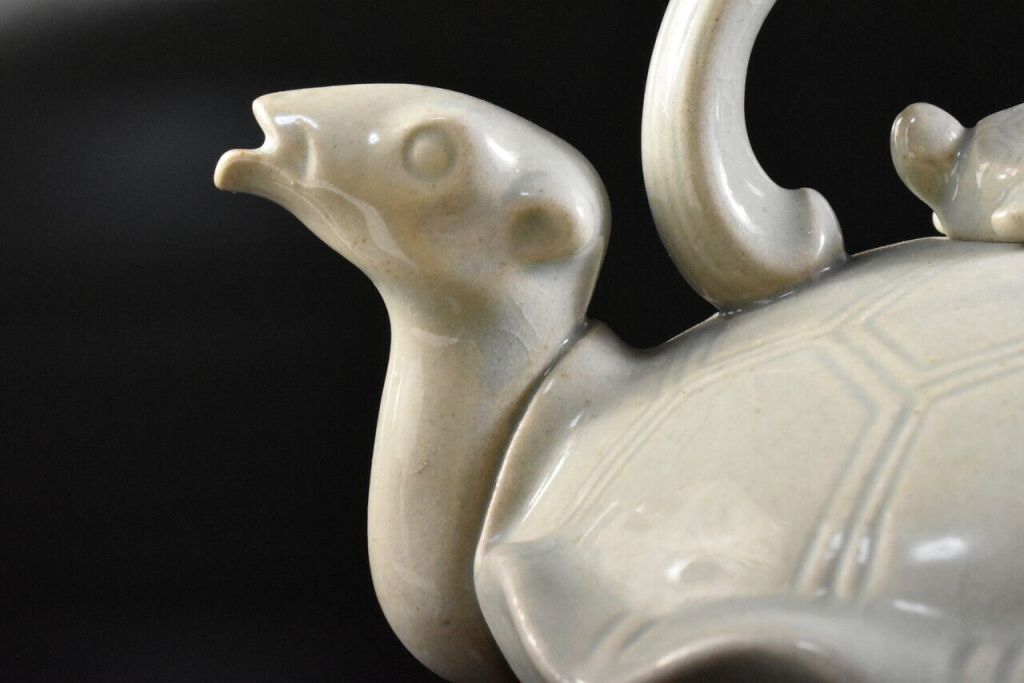
This Kyusu is stamped on the bottom with the seal of Fushina ware. Condition is excellent to near mint, without any cracks, chips or flaws to speak of. Also worth noting is that it has an excellent pour. This Kyusu does not come with a box.
€650 + shipping cost


