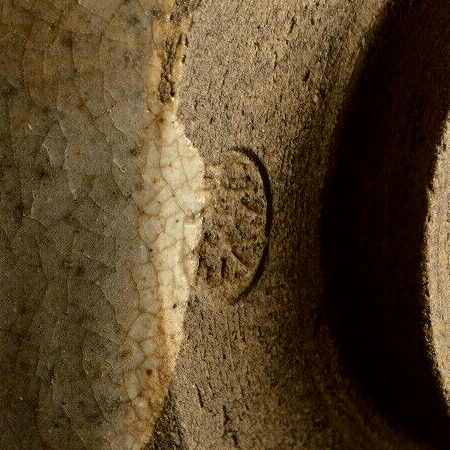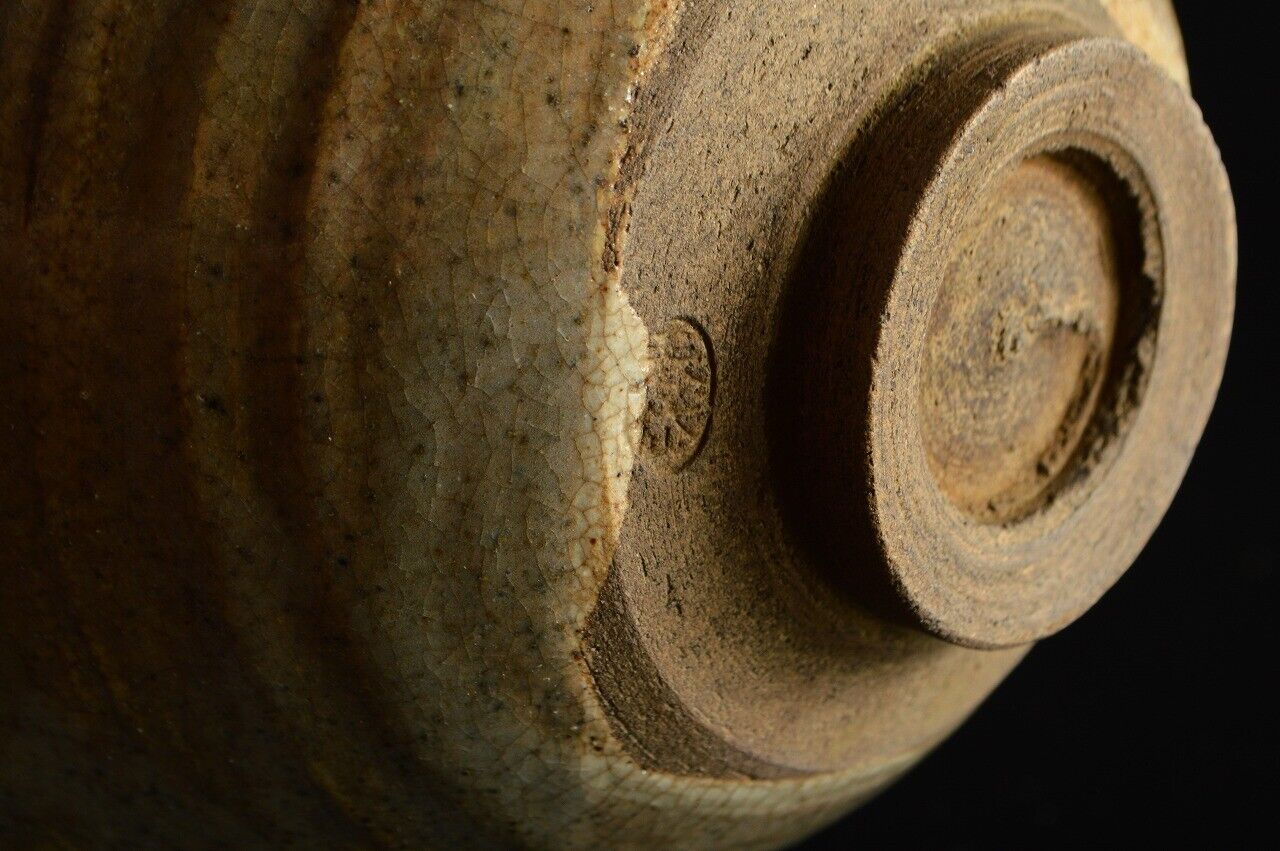
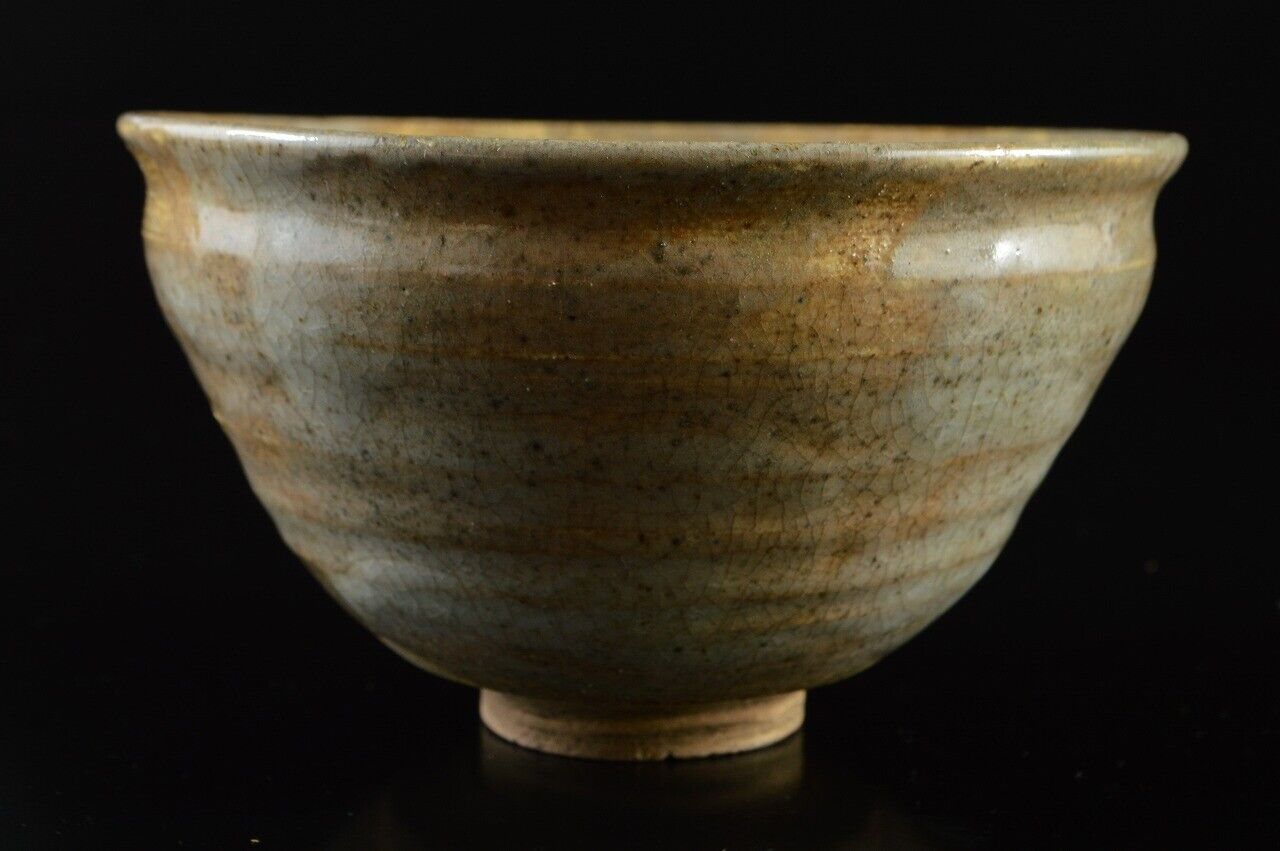
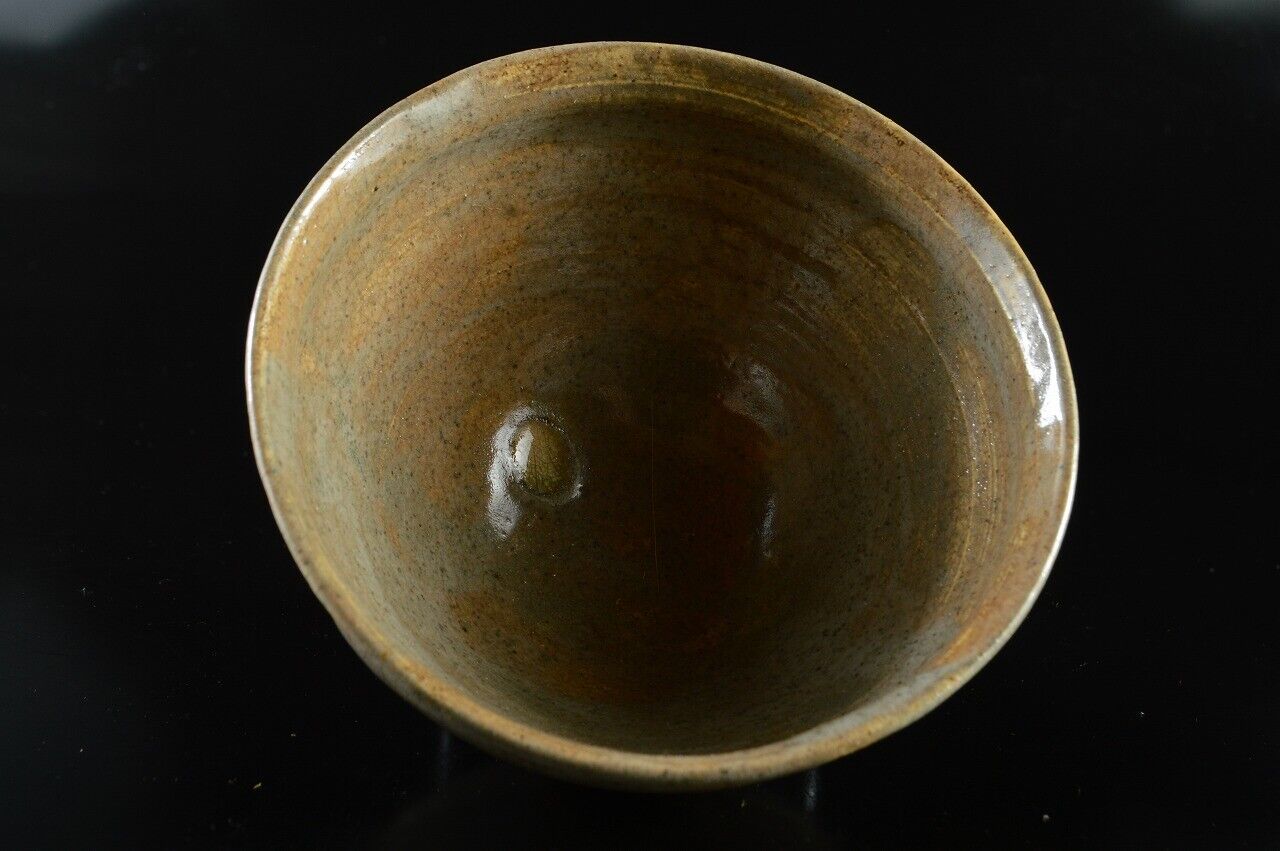
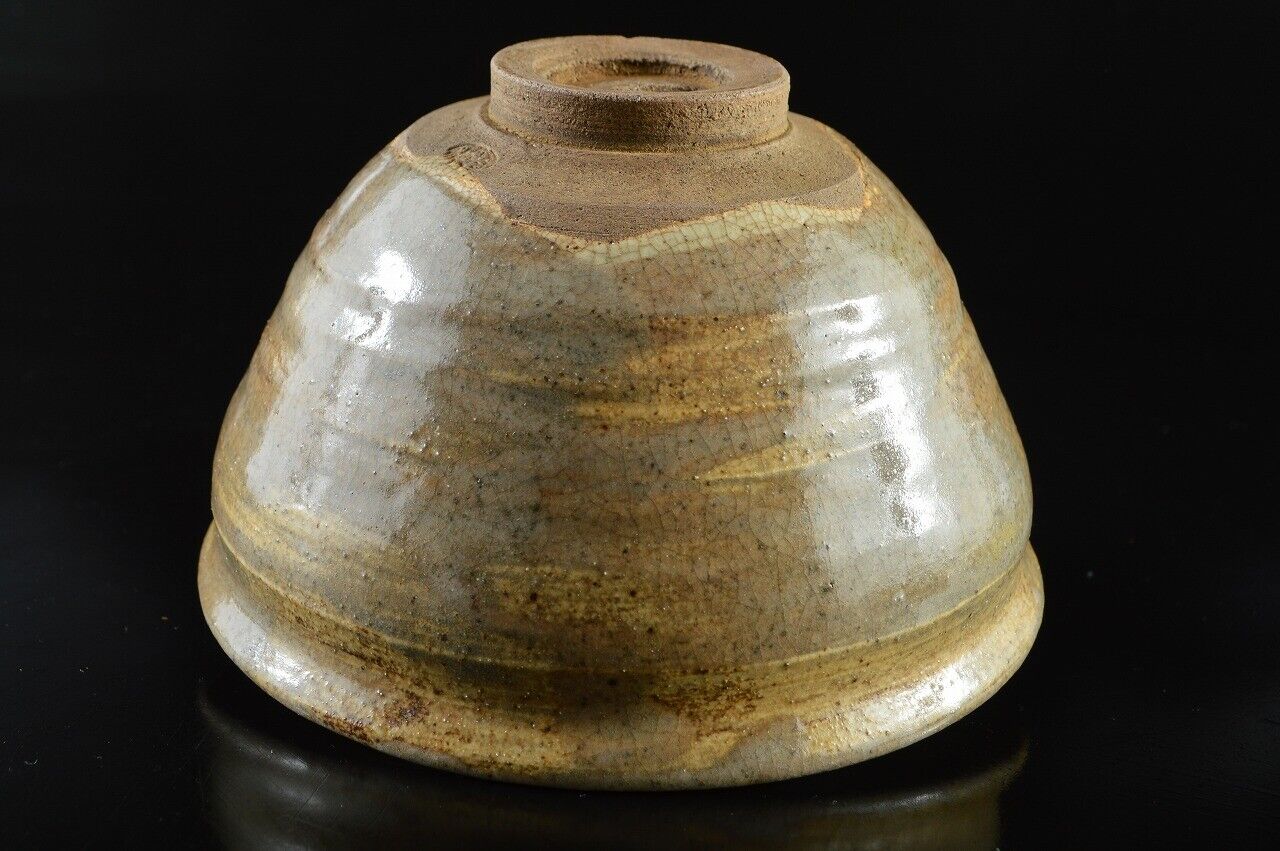
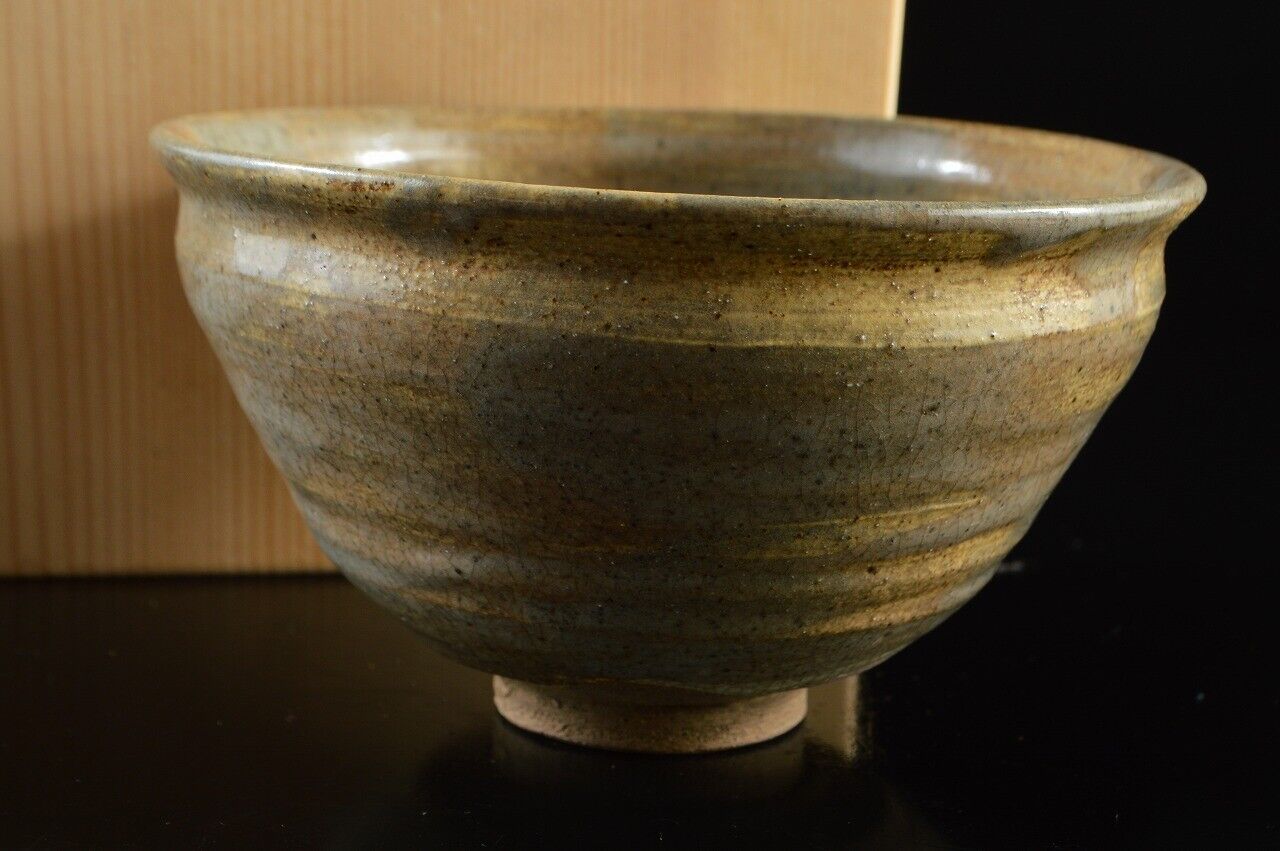
Potter: unknown, there is a potter’s mark, further research required
Approximate size: W4.8″ by WH2.6″ or 12.3 by 12.1 by 6.7 cm
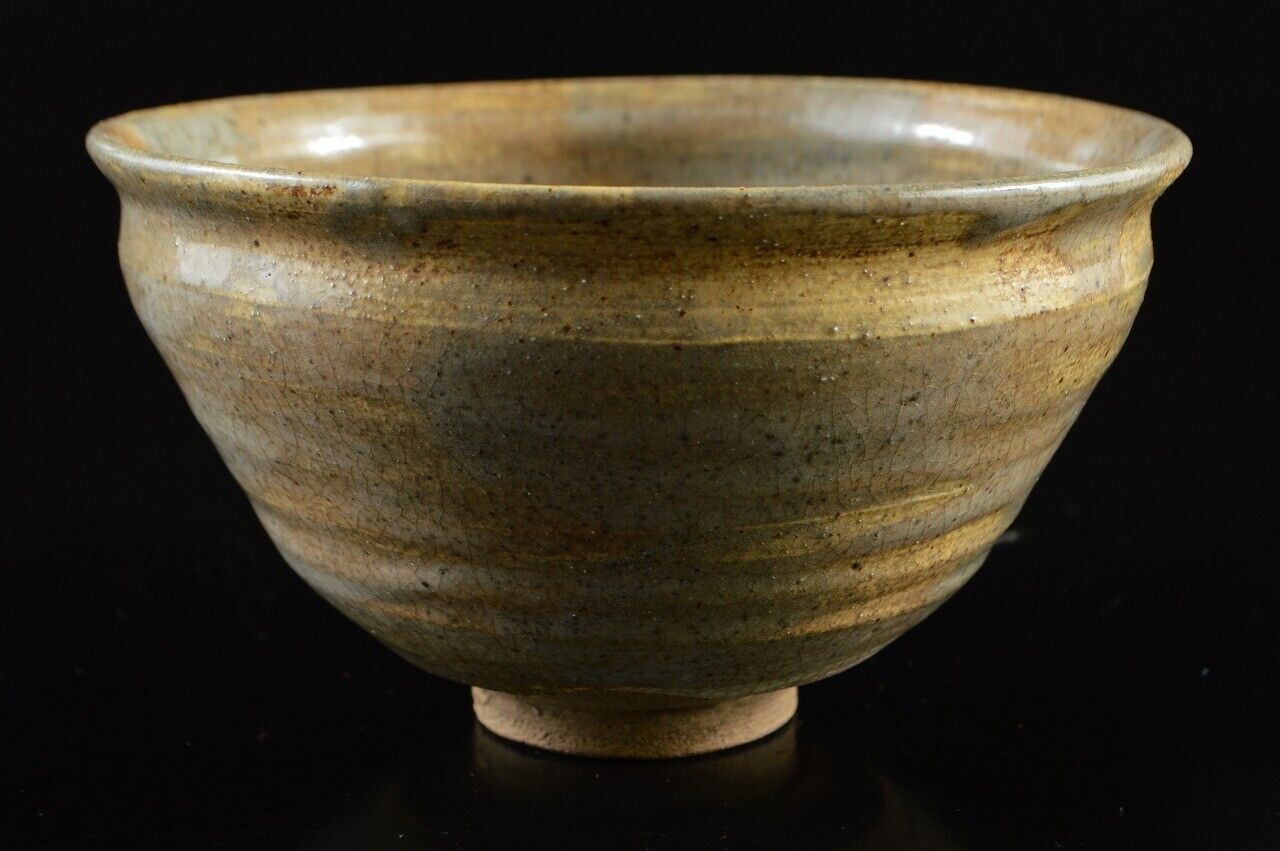
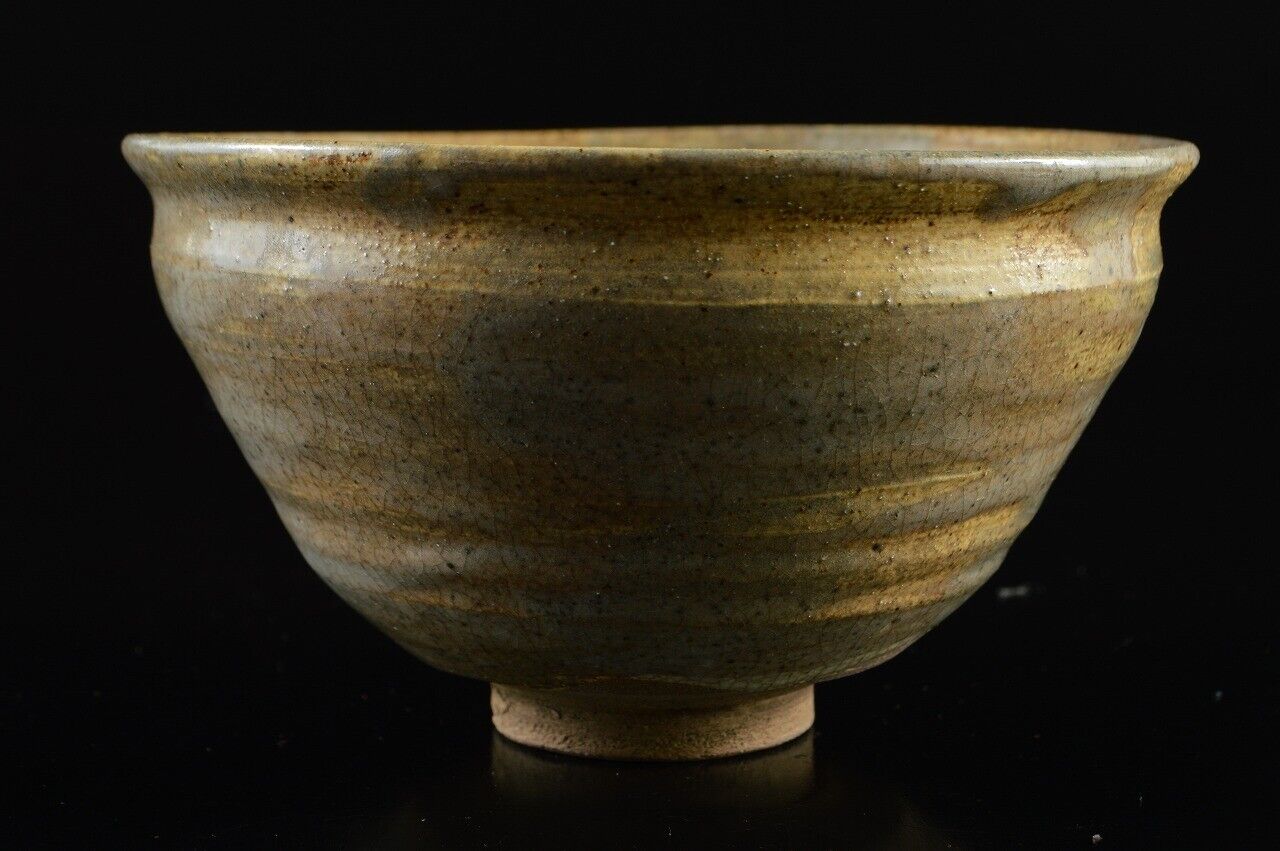
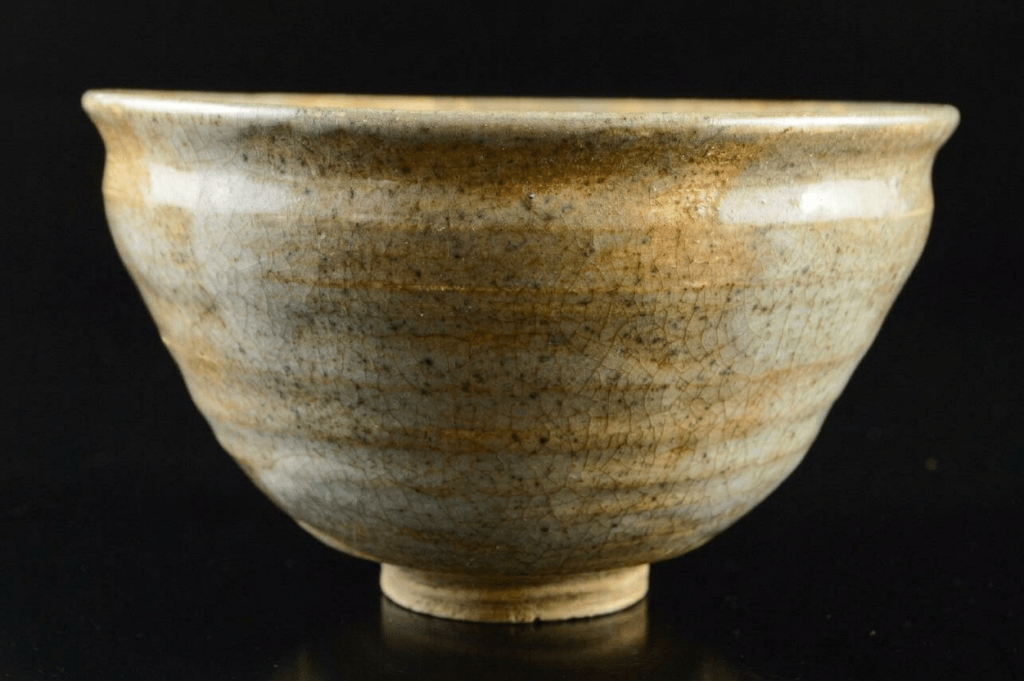
Wheel thrown and coated with a natural ash glaze known as kai-yu. This type of glaze is made from plant ash and happens to be one of my favourites as it shows amazing details from the glaze’s constituents. I’m currently researching the artist’s mark but have not yet found a definitive match. Kai-yu or ash glaze (alternatively spelled as hai-yu), is one of the oldest glazes used in ceramics, referring to the natural glass-like coating created by firing natural ash at high temperatures (primarily wood ash). Its characteristics lie in the calcium and alkali components contained in the ash reacting with clay to form a transparent often greenish glass layer.
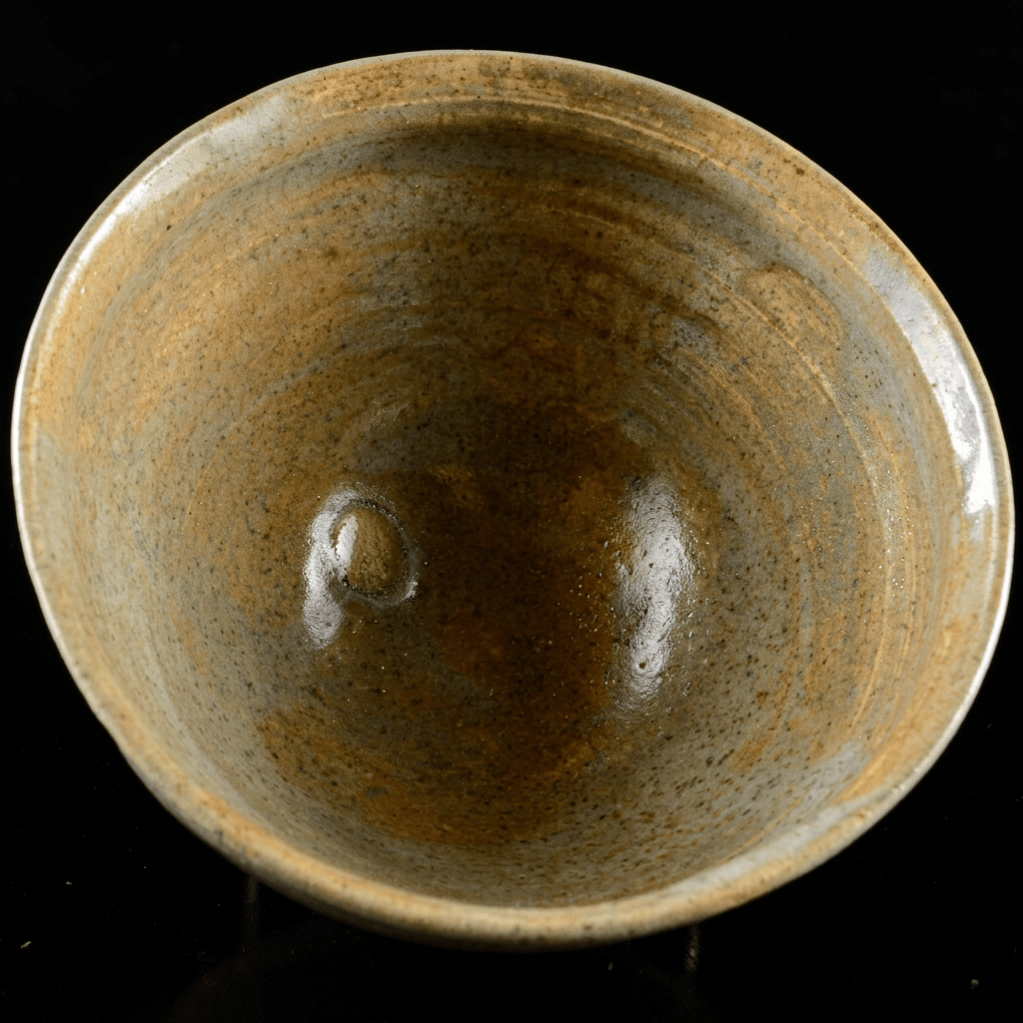
Glaze made from plant ashes. It is a traditional glaze that has been used since the birthplace of Seto -yaki, and is the basic glaze of all glaze. The colour tone changes slightly depending on the impurities contained in the ash, but it has a pale yellow -green colour in oxidised firing and a pale blue colour in redemption firing. In the Edo period, the Owari Tokugawa family is derived from the glaze used in the grilled potato that was baked in Nagoya Castle as a garden grilled in Nagoya Castle.
Though simple, the subtle colour variations and flowing patterns that change according to firing conditions, raw material composition and the reduction or oxidation atmosphere within the kiln are valued as “natural beauty” that cannot be achieved by industrial products. Contemporary ceramic artists continue to create works that utilise the individuality of materials like clay, ash and flame by pursuing “natural glaze landscapes” making ash glaze one of the techniques that really symbolises Japan’s pottery culture.
During the Meiji period, Seto ware adapted Western techniques and gained popularity. The Mino kilns produced various Seto wares from the mid-16th century, including Seto-guro (black Seto) and ki-Seto (yellow Seto). Ki-Seto, fired alongside Shino and Seto-guro during the Momoyama period, featured a “fried bean-curd” glaze, Aburagede (油揚げ abura-age or aburage), emulating Chinese celadon. It uses an iron-rich wood-ash glaze, reduction fired at high temperatures for a celadon-like texture; in oxygen-rich conditions, it yields a distinctive opaque yellow glaze.
The development of ash glaze in Japan began with accidental natural ash (natural ash glaze), that fell on Sue ware during production from the mid-5th century, eventually developing into intentional glazing. The ash-glazed pottery technique created at Sanage kilns in the first half of the Heian period (early 9th century), spread to Seto and Tokoname from the late 9th to late 10th centuries, creating the earliest glazed pottery called “Heian ash glaze.” These vessels are characterised by being covered entirely in transparent glaze ranging from light green to yellow-green.
In the early Kamakura period (late 12th century), Seto developed glazed pottery called “ko-Seto glaze” by combining glazes mixed from feldspar and ash with oxidation and reduction firing. Ko-Seto initially went through an early period (early Kamakura), using only ash glaze – then from the Nanbokucho period onward, diverse decorative techniques like iron glaze, stamped patterns and applied decorations were added, leaving a major mark on medieval Japanese ceramic industry history through its varied expressions.
During the Muromachi period, the aesthetic of “wabi-sabi” emerged under tea ceremony culture influence, and glaze flows, irregularities and scorching began to be appreciated as landscape, further diversifying ash glaze expression.
This chawan has no chips or cracks and condition is excellent for an older piece like this. The maker’s seal is stamped next to the koudai. Comes with the original quality paulownia tomobako or storage box.
€300 200 + shipping cost