
Potter: Shoetsu Heian
Approximate size: W4.7″ by W4.5″ by H3.3″ or 11.5by 12.0 by 8.5cm
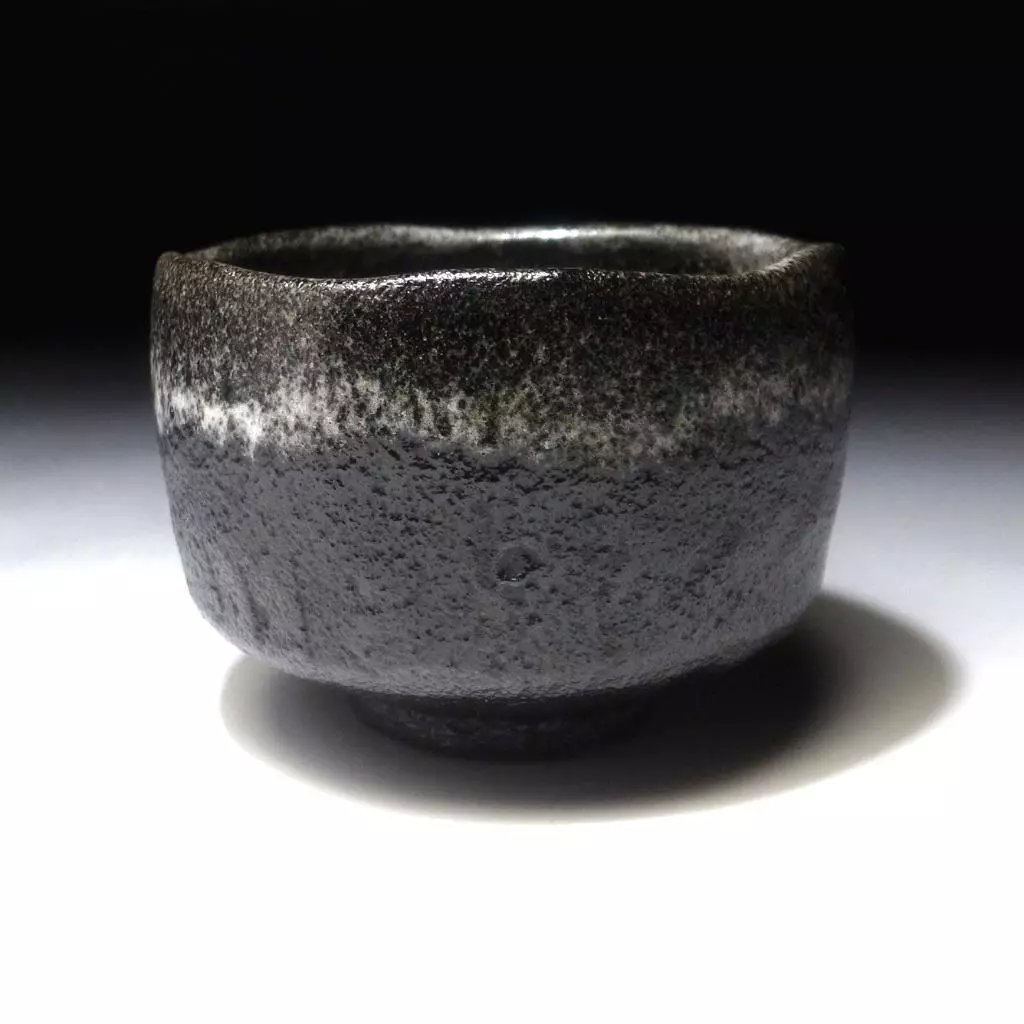
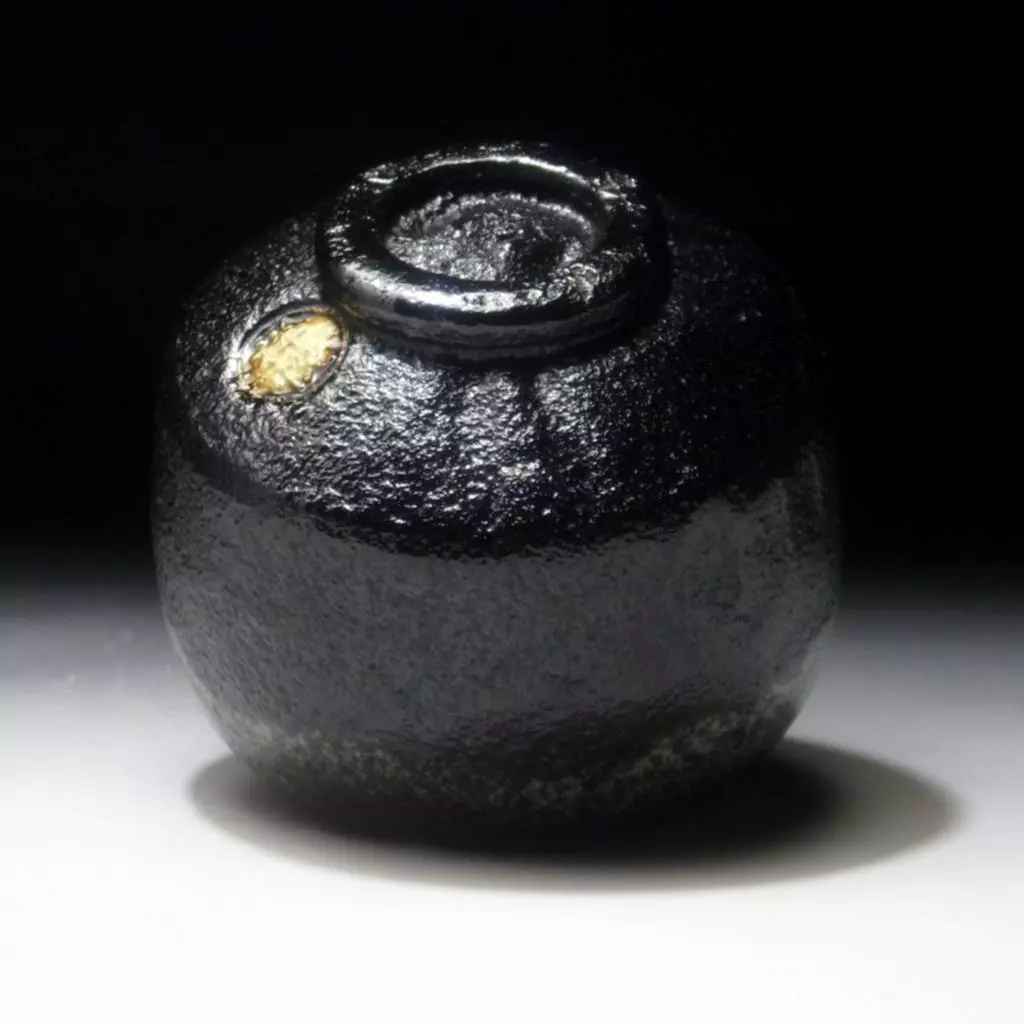
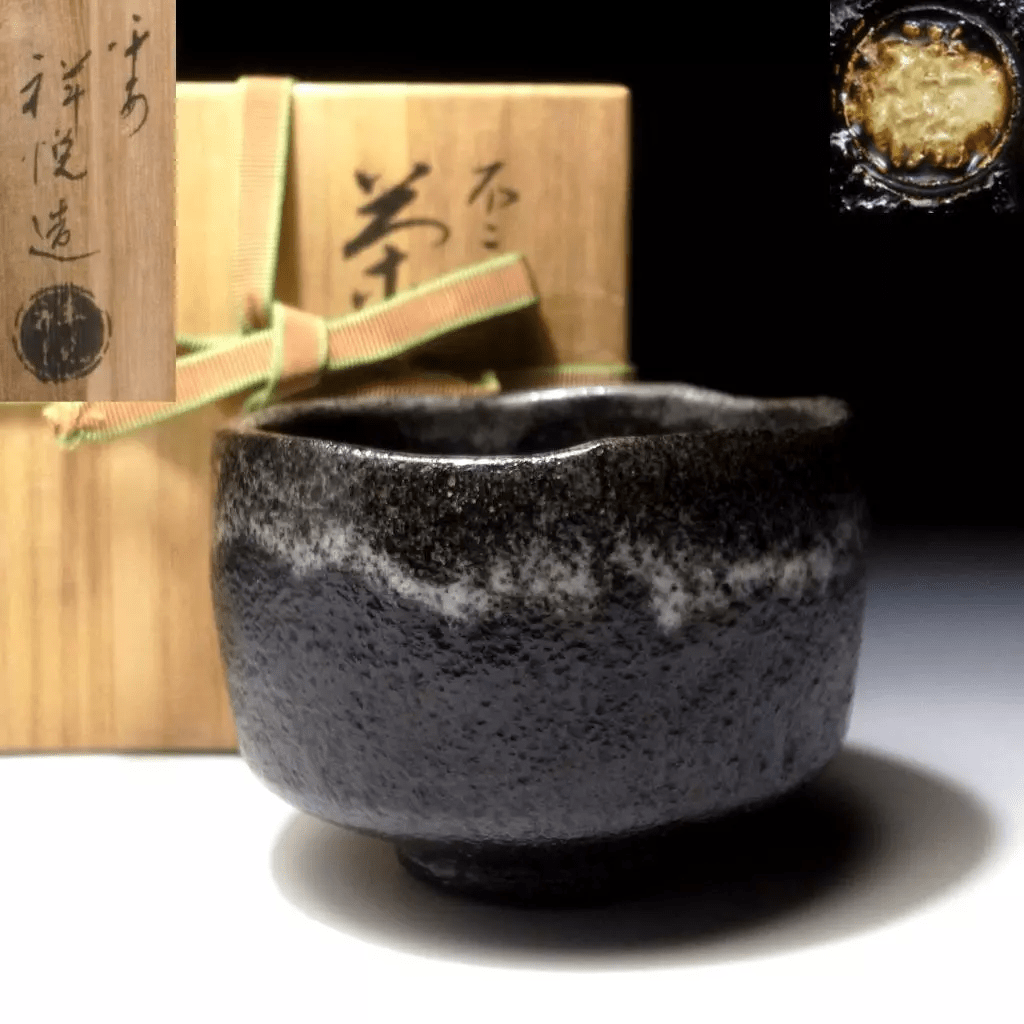
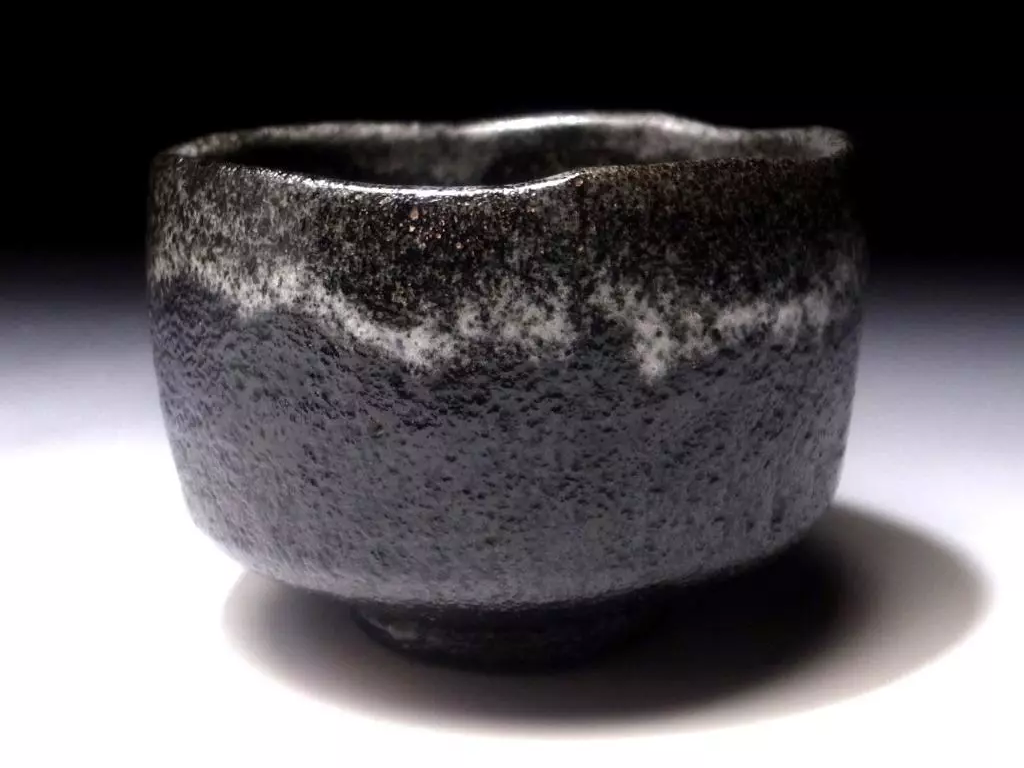
This is a high quality kuro-Raku utsushi or black Raku replica by the famous Kyoto based Raku master Shoetsu Heian. This work often follows the aesthetic of historical Raku masters. He is one of the few potters that can accurately make utsushi (reproduction or homage), of the great historical pieces, where he recreates famous historical bowls such as those in the styles of Raku Kōnyū, Chojiro, or the “Rikyū Shichishu” (seven favourite bowls of Sen no Rikyū). The significance of part of his professional name; “Heian” refers to Heian-Kyō (the ancient name for Kyoto), indicating that his workshop is located in the traditional ceramics heart of Kyoto.
Utsushi Chawan
High quality duplication traditionally has been admired for established Japanese ceramics since creating high quality duplication requires extremely skilled and broad-based techniques in all aspects of creation, and often compels the artisan to meticulously recreate an atmosphere which often was created on accident by the original artisan. Only a few artisans can duplicate historical treasured arts of Raku yaki.
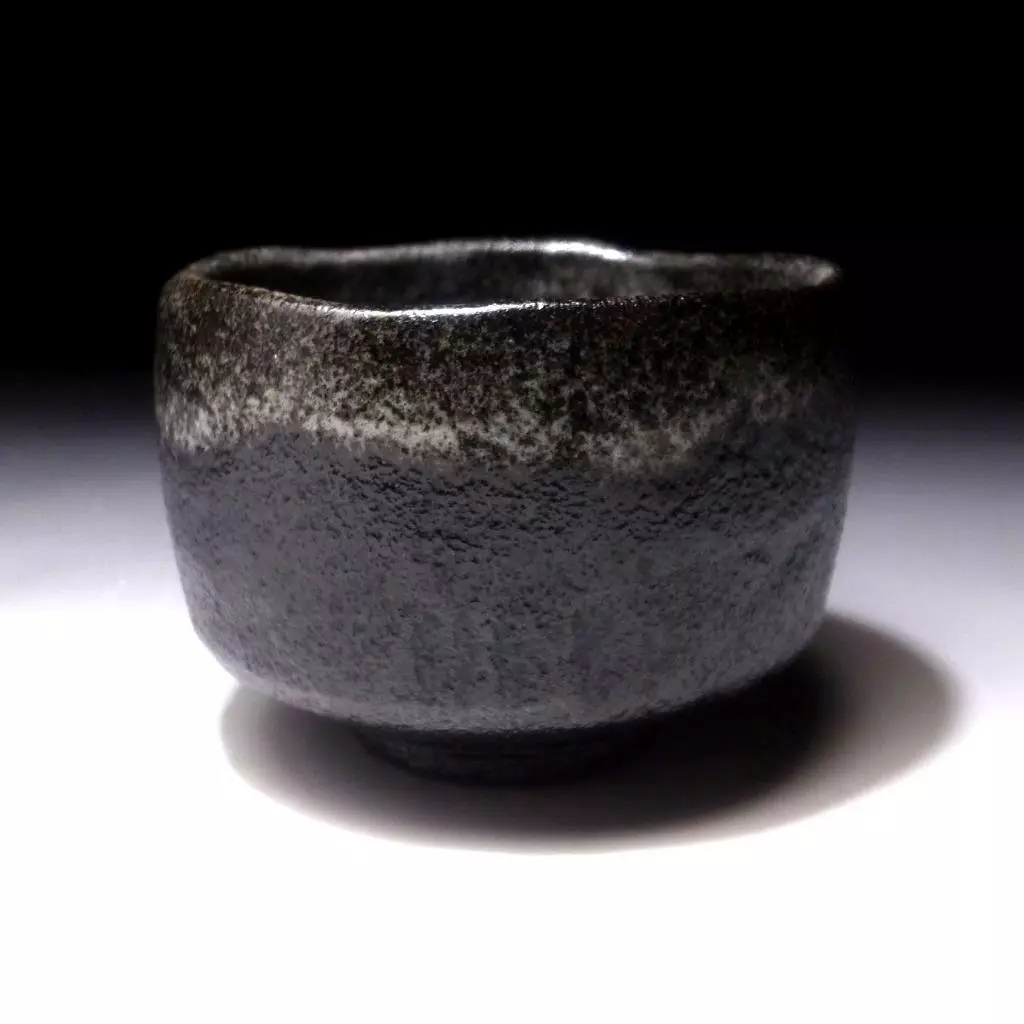
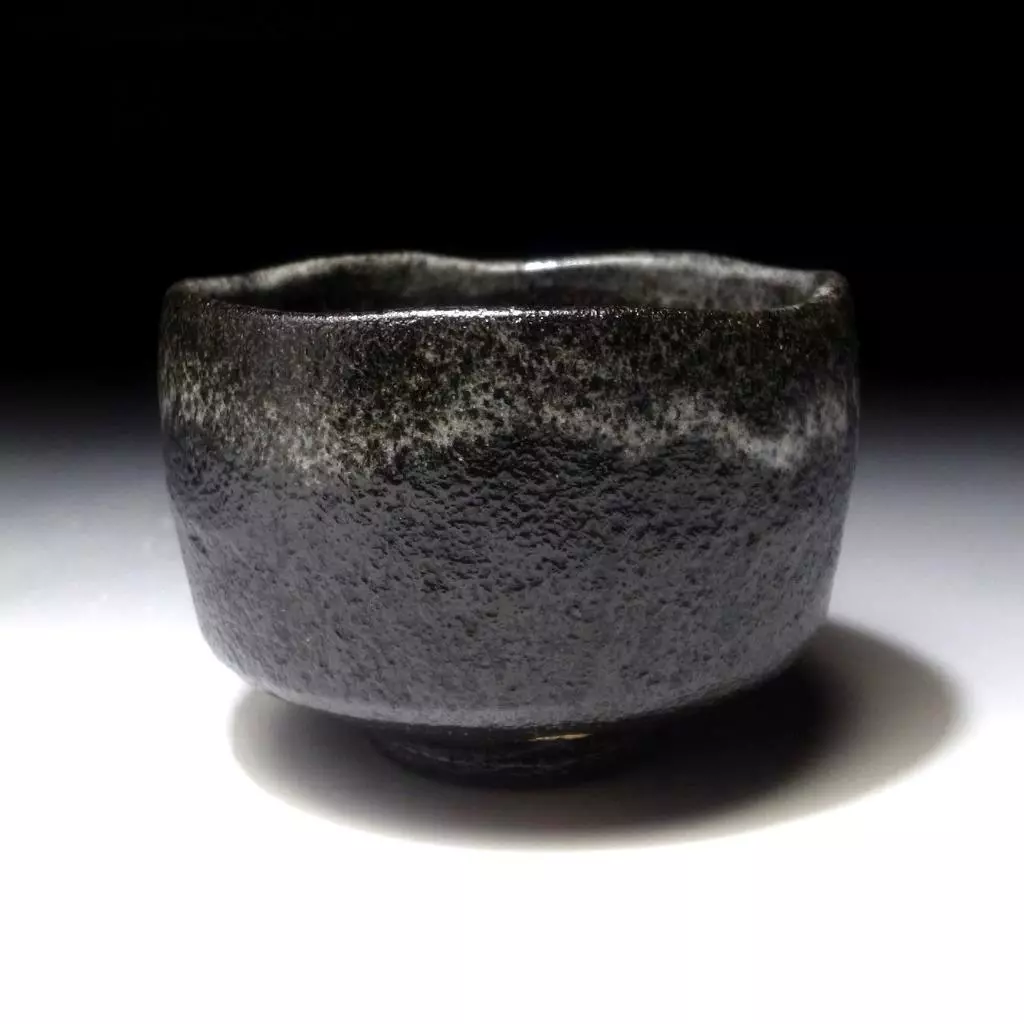
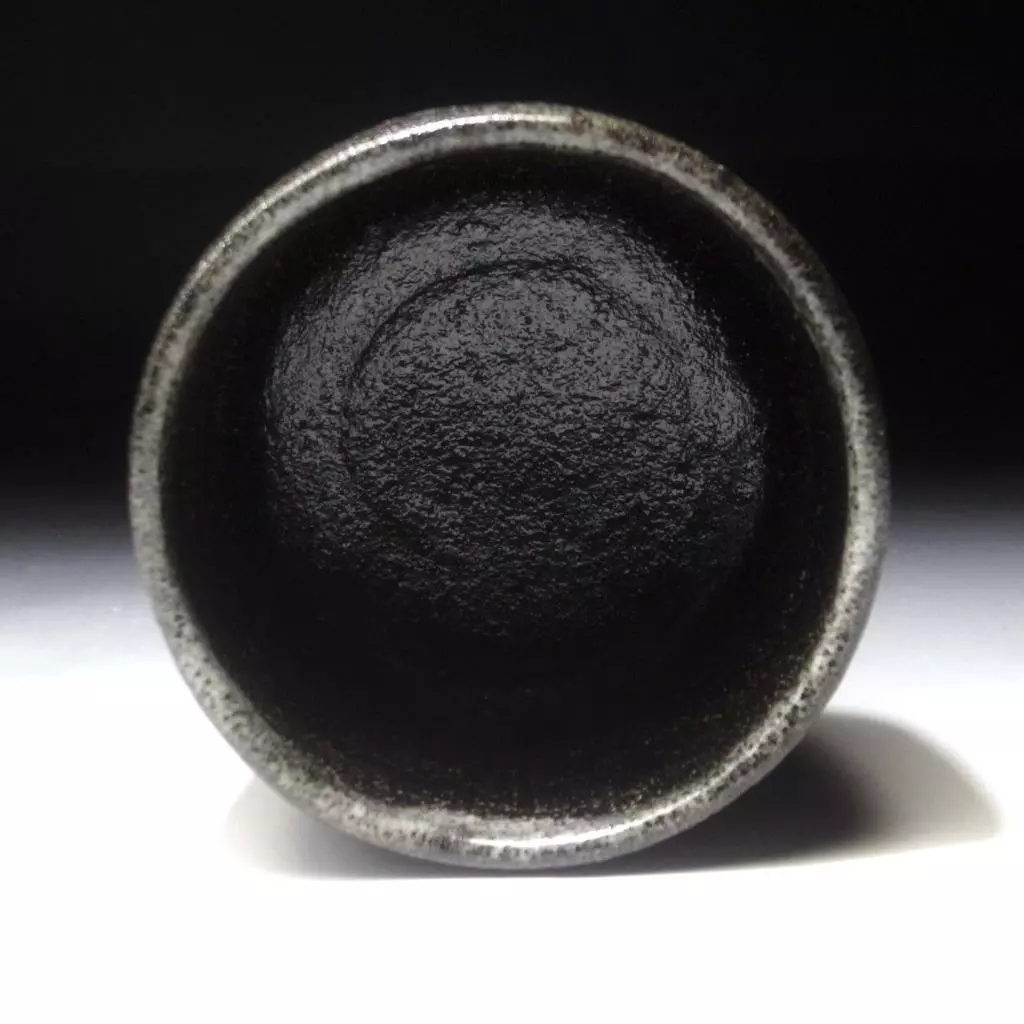
Heian Shoetsu’s interpretation of the Hon’ami Kōetsu style is remarkably well-executed, capturing the bold sculptural presence that defined Kōetsu’s original. He manages to replicate the distinct, uneven rim and the heavy intentional feel of the bowl without making it look forced. The glaze has a subtle, earthy depth that honours the historical aesthetic, showing a high level of technical skill in the Raku firing process. It is a respectful and highly capable tribute that brings the spirit of a museum-grade masterpiece into a practical, modern form.
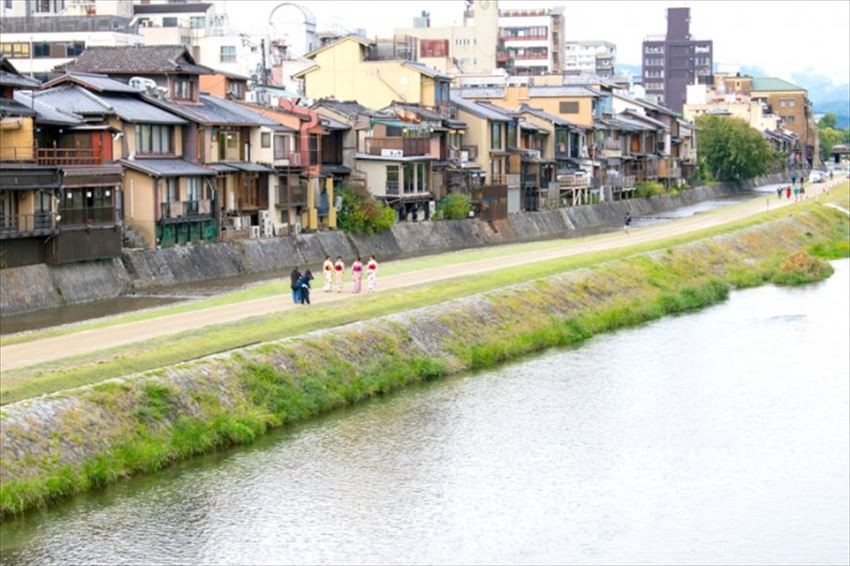
The black glaze is traditionally created from crushed stones retrieved from the Kamogawa river in Kyoto (often abbreviated to Kamo river). Red glazes are mixtures of a translucent glaze over a clay body often fired multiple times to add darker areas in the red glaze called “fu”. When bowls or utensils are glazed with with red Raku glaze they are fired at approximately 800 degrees where the black glaze when fired can reach a kiln temperature of up to 1200 degrees.
This river was also the location of one of the most iconic and famous samurai battles in history; the encounter between Minamoto no Yoshitsune and warrior monk Benkei at Gojō Bridge during the late Heian period. Benkei was said to have wandered around Kyoto every night on a personal quest to take 1000 swords from samurai warriors, who he believed were arrogant and unworthy. After collecting 999 swords through duels and looking for his final prize, he met a young man playing a flute at the Gojo tenjin Shrine (上野東照宮), in Kyoto, sufficed to say he did not take this young man’s sword.
Kōetsu Hon’ami, who due to his proficiency in multiple arts is often referred to as the Japanese Da Vinci. During his life he was considered to be great master in calligraphy, pottery and lacquer. In various other arts and crafts he excelled. A historical figure of great significance not only in the evolution of Raku but in many fields of art.
Kōetsu was given clay by Donyu II, the grandson of the first Raku potter Chōjirō. Even though Kōetsu’s workmanship was inspired by the Raku Kichizaemon family tradition, he was such a unique and multi-talented individual he infused his being into his work.
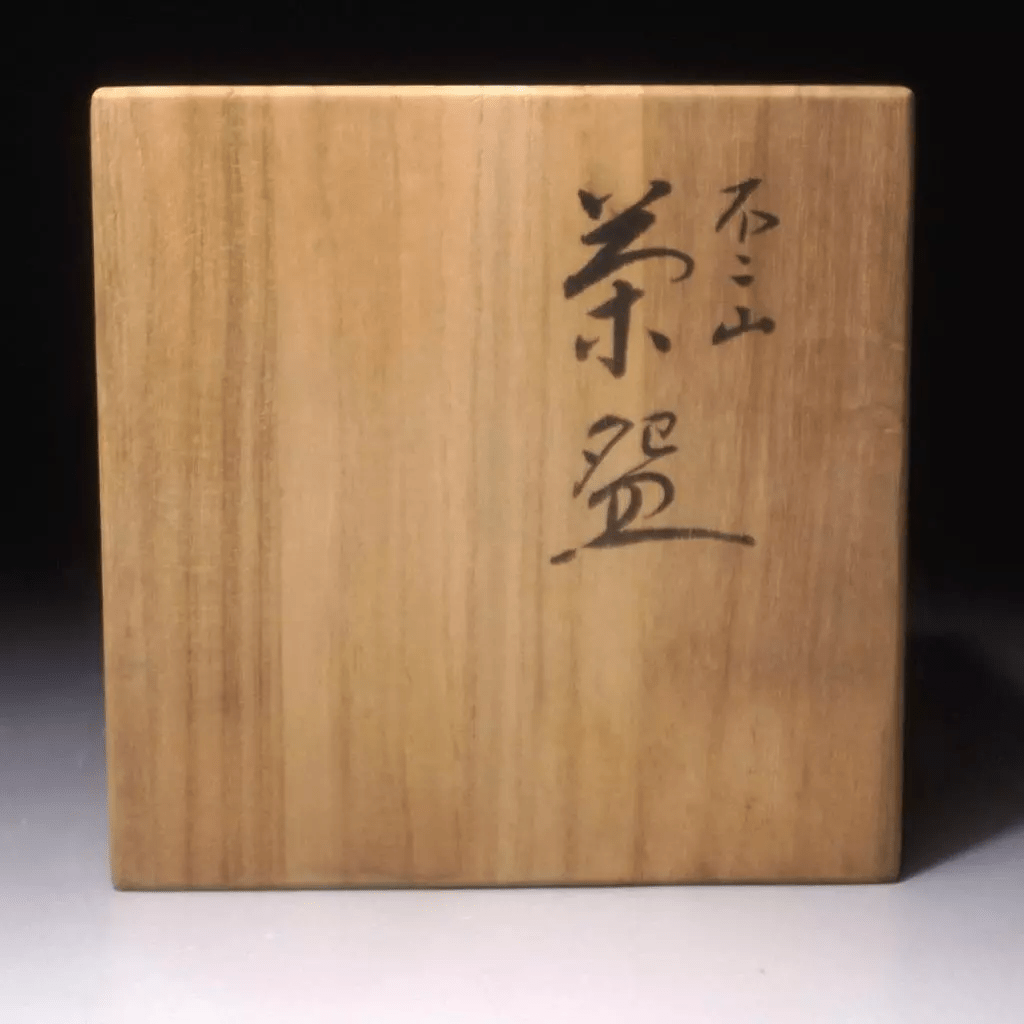
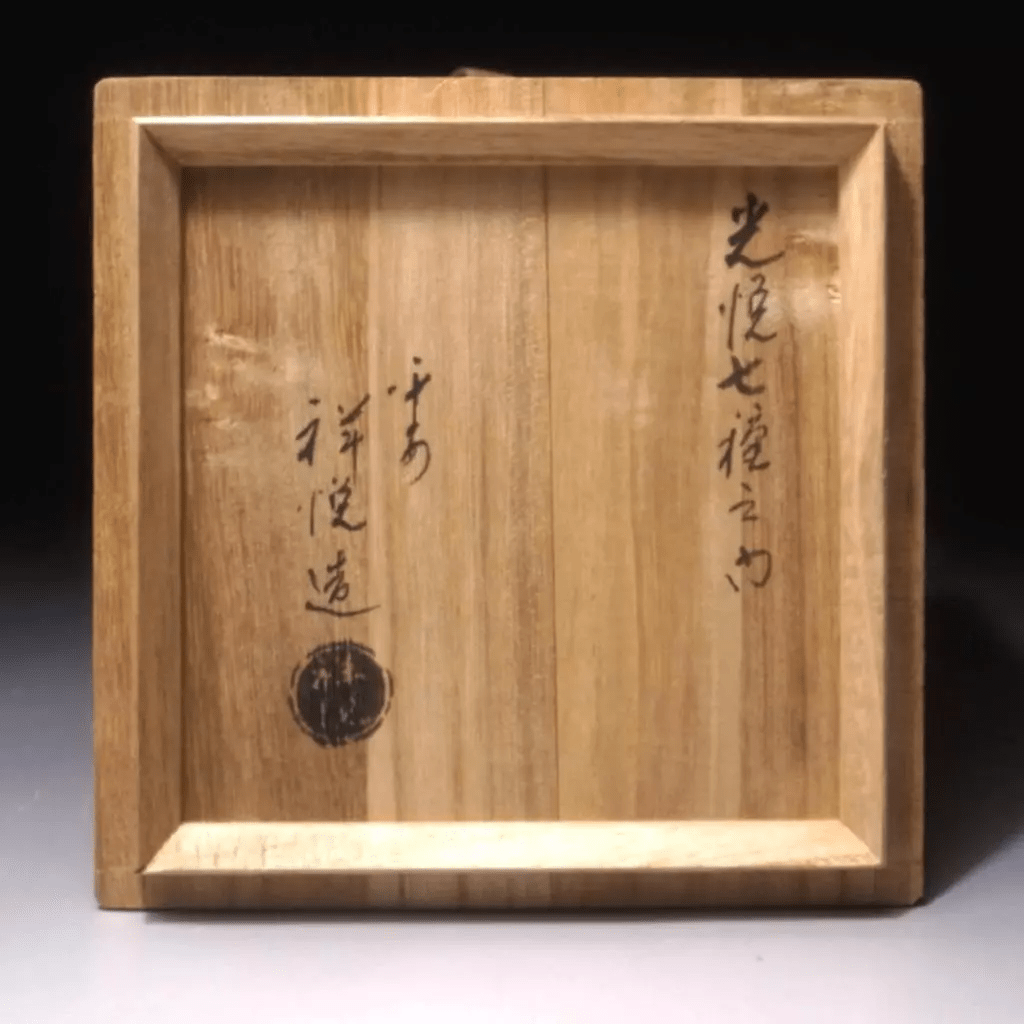
This charming utsushi remains in excellent condition, no chips, cracks or defects to mention. It comes with the original high paulownia tomobako of which the lid bears a description of the bowl on exterior. The inside of the lid showcases the potter’s calligraphy and artist’s seal.
€250 + shipping cost
Raku yaki or Raku ware is a type of pottery that is fired at relatively low temperatures and was first made in Kyoto by the Kichizaemon Family. This particular family has a lineage that goes as far back as the 16th century. It is traditionally created by hand by a technique called ‘tezukune’. Raku is typically simple in appearance, lightweight and usually has a soft surface exterior.
